Exploring the Legacy of the Album Era: Top 250 American Albums
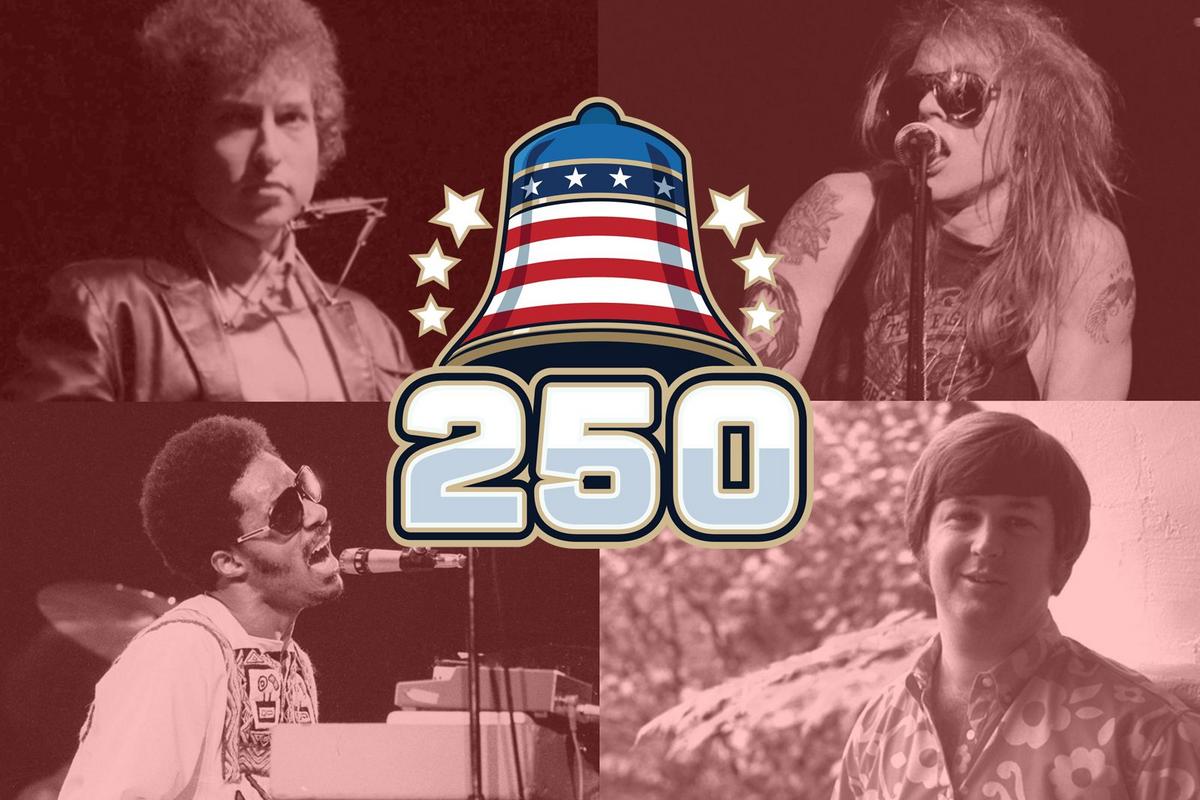
The era of classic rock emerged during the rise of the album format, spanning from the mid-'60s to the turn of the century. Vinyl records, cassette tapes, and compact discs became the primary means of sharing music. American artists like the Beach Boys, Bob Dylan, Stevie Wonder, and Guns N' Roses set new standards in long-form recording, focusing on creating cohesive artistic statements rather than just hit singles. The album era was characterized by ambitious concept albums and live recordings that captivated audiences and pushed the boundaries of musical expression.
As technology evolved, the album era gradually gave way to a singles culture with the advent of MTV, Mp3s, and streaming services. However, before this shift, American artists produced some of the most artistically ambitious and top-selling LPs in rock history. Acts like Alice Cooper, Green Day, Frank Zappa, and Styx crafted concept albums that told a single narrative, while live recordings by Cheap Trick, Journey, Talking Heads, and the Allman Brothers Band gained widespread acclaim.
Throughout the era, U.S. artists transitioned from single-disc releases to expansive double-album statements, showcasing their musical prowess and creativity. From Bruce Springsteen and Prince to Jimi Hendrix and Husker Du, these artists pushed the boundaries of rock music. The era also saw the emergence of new musical styles and experimentation by artists like Chicago, the Byrds, and Santana, who left a lasting impact on the music industry.
To celebrate the legacy of the album era, the UCR staff compiled a list of the Top 250 American Albums, spanning over six decades of music history. This countdown honors the best of the best, showcasing the diverse range of musical talent and innovation that defined this influential era in rock music.