Challenges and Concerns: New York City's Rent Freeze Policy and Its Impact on Landlords and Housing Stock
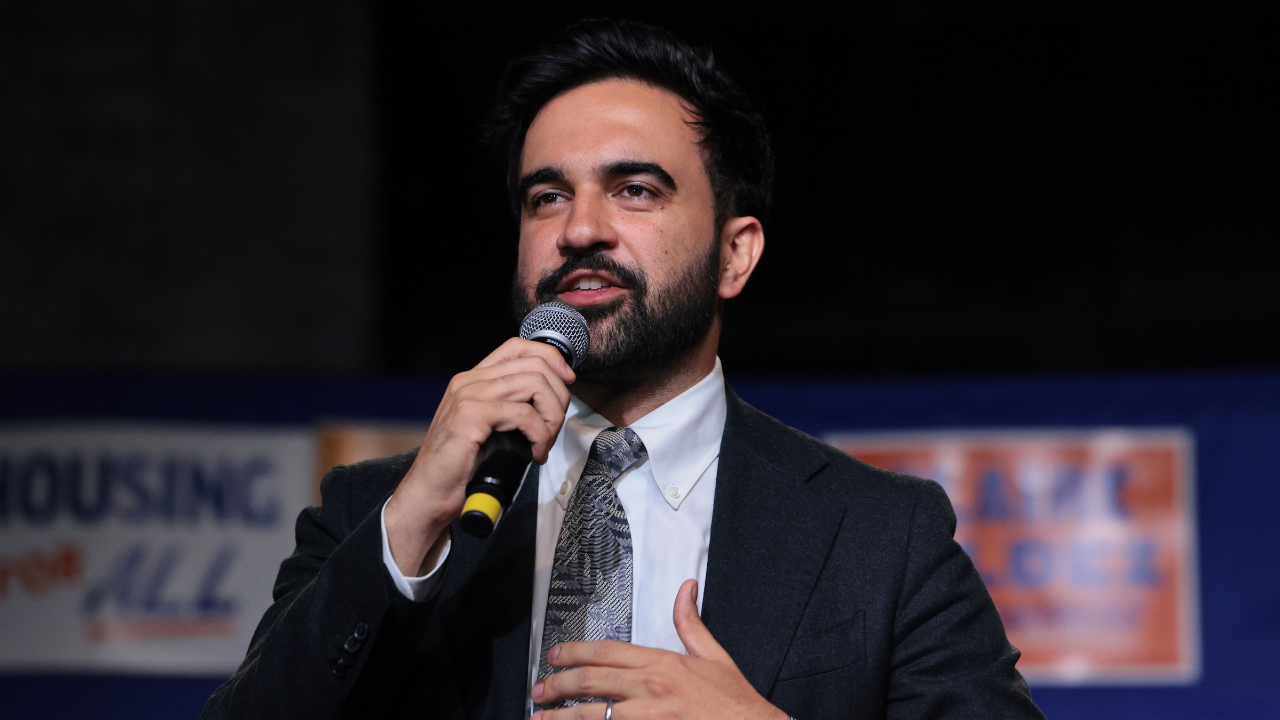
New York City's Rent Guidelines Board (RGB) member Arpit Gupta expressed concerns about the rent freeze policy, fearing it could lead to older rent-stabilized buildings falling into disrepair due to landlords lacking revenue for necessary improvements. Gupta, an associate finance professor at NYU, highlighted potential risks such as deferred maintenance and financial distress for landlords.
Gupta also raised worries about the rent freeze making it harder for landlords to meet their financial obligations, potentially leading to property transfers due to unpaid mortgage, insurance, or property tax bills. He emphasized the gradual impact of the policy on the city's housing stock, particularly on older buildings heavily reliant on regulated rents.
RGB Chair Chantella Mitchell, appointed by Mayor Zohran Mamdani, acknowledged landlords' rising costs but argued that most could manage the expenses. Gupta, appointed by former Mayor Eric Adams, emphasized the varying financial strains on different types of rent-stabilized buildings, suggesting that the freeze might disproportionately affect older properties.
Under Mamdani's leadership, the RGB implemented a rent freeze affecting approximately 1 million rent-stabilized apartments for one- and two-year leases starting from October 2026. Gupta criticized the blanket freeze, advocating for targeted aid to struggling tenants while allowing financially strained buildings to adjust rents accordingly.
Gupta highlighted the need to expand existing programs that freeze rents for qualifying senior citizens and disabled individuals to low-income residents more broadly. He expressed concerns that the rent freeze could incentivize landlords to leave units vacant, potentially exacerbating the issue of vacant stabilized apartments due to cost recovery challenges.
The elimination of the "vacancy bonus" in the 2019 Housing Stability and Tenant Protection Act was cited as a significant factor contributing to landlords' declining revenues. Gupta acknowledged the board's efforts to address affordability concerns but emphasized the need for a more targeted approach to rental assistance.
Despite disagreements with the board's decision, Gupta rejected the notion that the outcome was predetermined after Mamdani appointed a majority of the board members. He emphasized the importance of independent decision-making and transparency in the board's deliberations.
Looking ahead, Gupta expressed concerns about the potential extension of the rent freeze beyond what he considers reasonable, given Mamdani's pledge to freeze rents annually. He highlighted the need for clarity on the conditions under which rental increases would be considered and raised questions about the board's future decision-making process.
In conclusion, Arpit Gupta's concerns about the rent freeze policy in New York City underscore the complex challenges facing landlords, tenants, and the city's housing market. As discussions continue on the long-term implications of the freeze, the need for targeted solutions to address affordability issues remains a key consideration for policymakers and stakeholders.