From Cotton Gins to Quantum Computing: A Journey Through American Innovations
American innovations have played a significant role in shaping the country's development into a global superpower over the past 250 years. The United States patent process, established in 1790, has been a key driver of innovation, granting inventors government protection for their creations. This system has allowed for the proliferation of inventions across various sectors, from agriculture to transportation and communication.
In the agricultural sector, innovations like Eli Whitney's cotton gin and Cyrus Hall McCormick's mechanical reaper revolutionized farming practices, increasing productivity and efficiency. The introduction of refrigeration systems for trucks by Frederick McKinley Jones enabled the transportation of perishable goods to distant locations, further enhancing the agricultural industry.
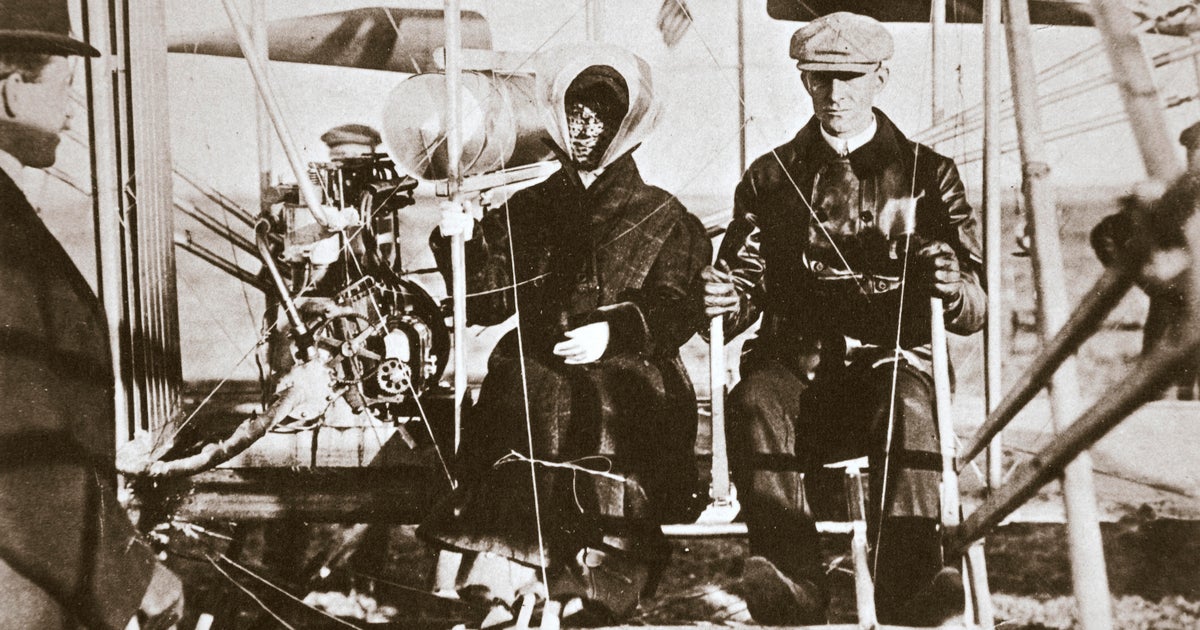
Transportation innovations, such as the steamboat and railroad tracks, facilitated the movement of people and goods across the country. The Wright brothers' successful test of the 1903 Wright Flyer marked a significant milestone in aviation history, paving the way for modern air travel. Notably, Katherine Wright, the Wright brothers' sister, played a crucial role in their aviation endeavors, yet her contributions have often been overlooked.
The advent of electricity, exemplified by Charles F. Brush's arc lamp, transformed urban landscapes and enabled nighttime activities. Thomas Edison's incandescent light bulb and Alexander Graham Bell's telephone innovations further revolutionized communication and lighting systems. Edison's contributions to the development of power generation and transmission systems were instrumental in shaping the modern electrical infrastructure.
The manufacturing sector saw significant advancements with the introduction of assembly lines and mass production techniques. Eli Whitney Jr. and Samuel Colt's collaboration in producing Colt Revolvers exemplified the shift from artisanal craftsmanship to standardized manufacturing processes. Henry Ford's Model T, one of the first mass-produced vehicles, revolutionized the automotive industry.
The discovery of oil in the United States in the 19th century ushered in the petroleum age, leading to significant advancements in energy production and consumption. Oil and gas innovations have played a central role in shaping global politics and economies, with ongoing efforts to explore alternative energy sources like wind, solar, and geothermal power.
Medical innovations, including vaccinations, pharmaceuticals, and imaging techniques, have significantly improved healthcare outcomes and life expectancy. The rapid development of COVID-19 vaccines exemplifies the ongoing commitment to medical research and innovation.
Technological advancements in computing, from punch cards used in census data analysis to the development of integrated circuits and personal computing devices, have transformed the way information is processed and shared. Companies like IBM and Texas Instruments have been at the forefront of these innovations, paving the way for breakthroughs in quantum computing and artificial intelligence.
In conclusion, American innovations have had a profound impact on various aspects of society, driving progress and shaping the country's trajectory as a global leader in invention and innovation. The legacy of these innovations continues to inspire future generations of inventors and entrepreneurs to push the boundaries of what is possible.