Supreme Court Ruling on Transgender Student Athletes: Implications for LGBTQ Rights
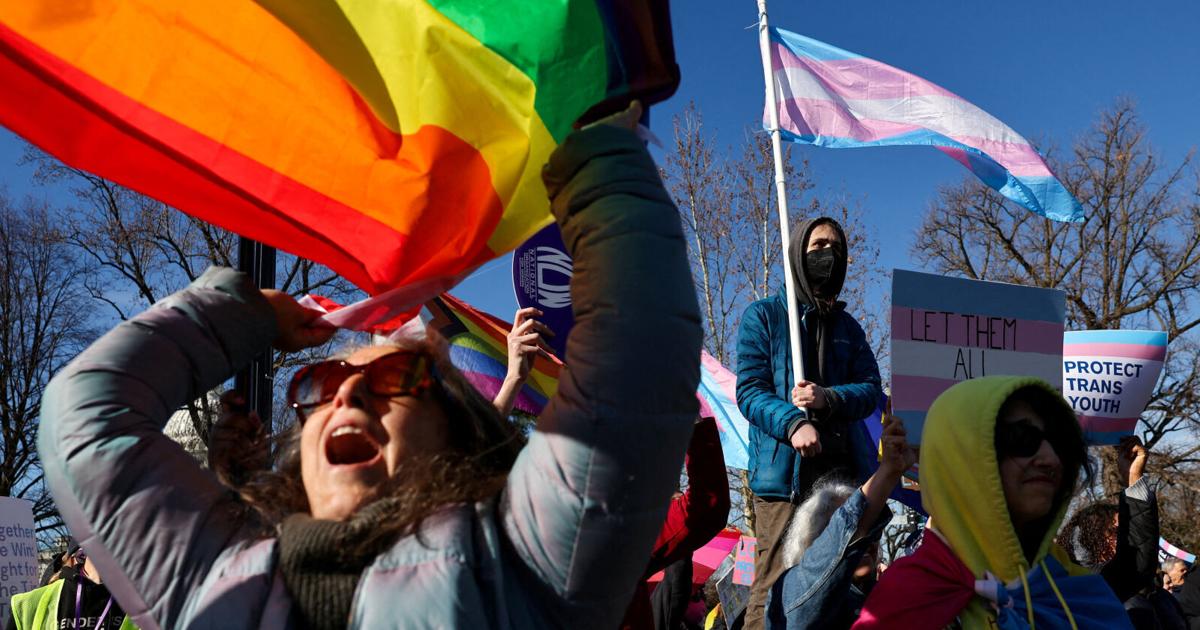
The U.S. Supreme Court made a significant decision in May 1996, striking down a Colorado measure that denied legal protections to gay individuals. This ruling marked a turning point in expanding LGBT rights. However, in a recent ruling, the court sided against transgender student athletes, allowing state laws in West Virginia and Idaho to ban them from participating in female sports teams at public schools and universities. The court rejected claims that these bans violated the Constitution's equal protection principle and the Title IX civil rights statute.
The laws in West Virginia and Idaho designated sports teams based on "biological sex" and prohibited "students of the male sex" from joining female teams to ensure fair competition for women and girls. This ruling has been seen as a setback for transgender individuals facing increasing restrictions at state and federal levels. Despite this decision, advocates for transgender rights remain hopeful, emphasizing that the ruling was specific to the sports context and may not prevent challenges to other restrictions on transgender individuals.
The court's conservative majority, which has made several decisions against transgender rights, has shown a shift in its stance on LGBTQ rights. The ruling on transgender student athletes is part of a series of cases that have raised concerns about the court's approach to transgender rights. The court's decision could have implications for other laws targeting transgender individuals, such as restrictions on bathroom use based on gender identity.
In conclusion, the recent Supreme Court ruling against transgender student athletes participating in female sports teams reflects a shift in the court's approach to LGBTQ rights. While the decision may have implications for future cases involving transgender rights, advocates remain hopeful that challenges to discriminatory laws targeting transgender individuals will continue.