Exploring the Cosmos: Arthur C. Clarke's Vision of Space and Humanity
Arthur C. Clarke, a renowned science fiction writer, is best known for his novel "2001: A Space Odyssey," which he wrote in conjunction with the Stanley Kubrick movie of the same name. The story delves into the vastness of space and the evolution of humankind into a new species. Clarke's work often explores humanity's place in the cosmos, with his novel "Childhood's End" also gaining popularity for its unique take on human evolution with the help of alien beings.
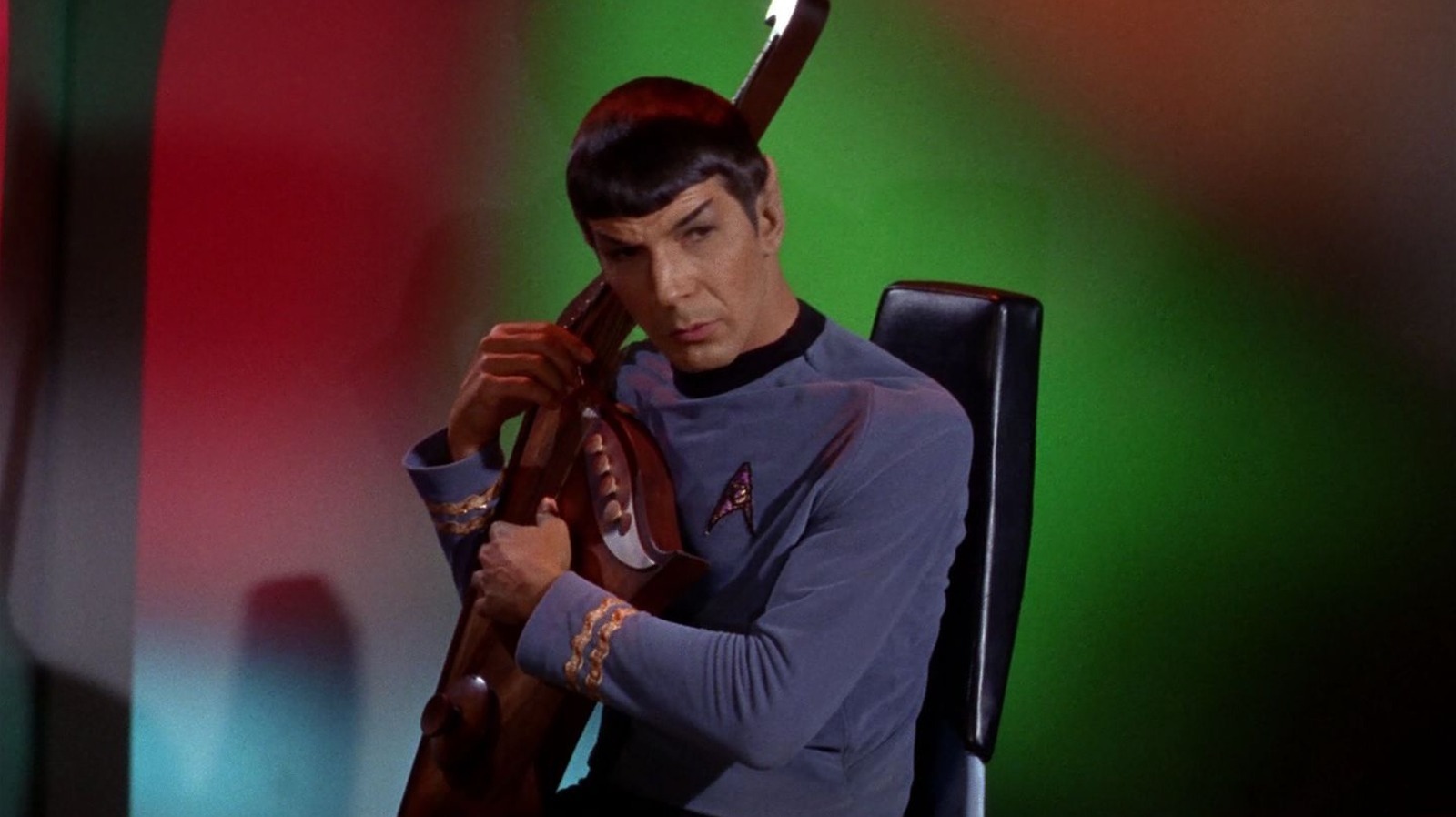
During the 1960s, a surge in science fiction entertainment, including "Planet of the Apes" and "Star Trek: The Original Series," captivated audiences. Clarke, however, expressed concerns about the portrayal of space travel in popular media like "Star Trek," fearing that it might mislead young astronomy enthusiasts about the realities of space exploration. Despite his reservations, Clarke's work continues to inspire readers and shape the genre of science fiction.
In 1997, Clarke reflected on the state of space travel, noting the decline in manned space missions following the excitement of the moon landing in the 1960s. He observed a shift in public interest and engagement with space exploration, culminating in events like the historic lunar flyby of Artemis II in 2026. Clarke's perspective on the future of space travel and the role of popular culture in shaping public perception remains relevant today.
While discussing the impact of "Star Trek" on space exploration, Clarke questioned the feasibility of the show's premise of encountering alien life forms in distant galaxies. He emphasized the vast distances between planets and the unlikelihood of interstellar communication. Despite the fantastical elements of science fiction, Clarke's insights into the challenges of space travel offer a thought-provoking perspective on the possibilities and limitations of human exploration beyond Earth.
In a meeting with "Star Trek" creator Gene Roddenberry, Clarke shared his views on the show's vision of a post-capitalist future free from conflict and prejudice. Roddenberry's portrayal of a utopian society in "Star Trek" inspired discussions about the potential for humanity to transcend its current societal constraints. Clarke's contributions to the genre of science fiction continue to spark conversations about the future of space exploration and the evolution of human civilization.