Exploring the Legacy of the Saw Franchise: A Deep Dive into the Brutal World of Jigsaw
Horror movies have always been a reflection of the fears and anxieties of the time they are made in. In the ‘80s and ‘90s, the focus was on home invasions and slashers, turning ordinary places into deadly settings. The 2000s took a darker turn, embracing nihilism and hopelessness as central themes. Despite criticism from some horror fans for its wave of remakes and cruel narratives, there is something strangely cathartic about the despair ingrained in these films.
A prime example of this trend is the Saw franchise, created by James Wan and Leigh Whannell. The movies revolve around John Kramer, also known as Jigsaw, a terminally ill engineer who becomes a serial killer. Jigsaw traps his victims in horrifying scenarios and torture chambers, providing cryptic instructions for survival through a sinister puppet. While the first seven Saw movies are currently available on Netflix, they are set to leave the platform on July 19, giving viewers a limited time to catch up on the franchise.
Despite the lack of redemption or positivity in Saw, the movies became a cultural phenomenon during the 2000s. Each new installment drew a mix of revulsion and fascination from audiences, testing the boundaries with their graphic violence and twisted plots. While the quality of writing and acting may decline in later films, there is a certain satisfaction in surrendering to the gruesome spectacle and going along for the ride.
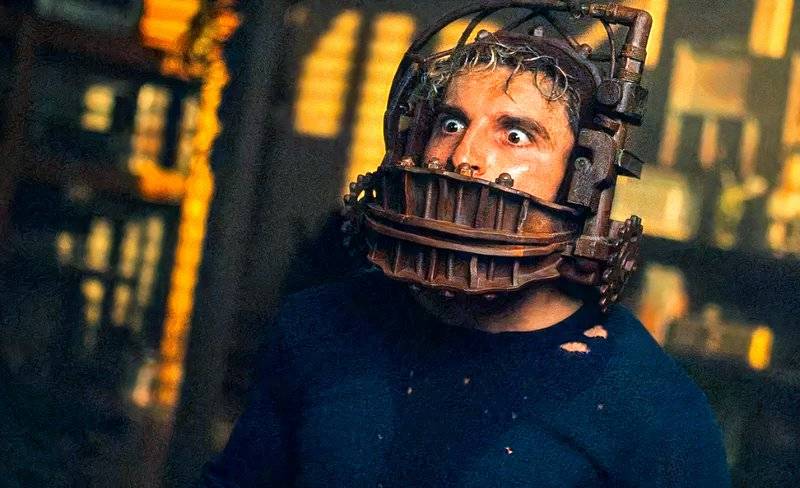
The Saw franchise is known for its inventive and horrifying traps, designed by the diabolical mind of Jigsaw. From a pit filled with syringes to a death mask that crushes the victim's face, each scenario pushes the boundaries of terror. Jigsaw's iconic line, “Most people are so ungrateful to be alive. But not you. Not anymore. Game over,” delivered with chilling precision by Tobin Bell, solidifies his status as a memorable horror villain.
Despite its enduring popularity, the Saw franchise has evolved over the years. Wan and Whannell have returned to breathe new life into the series for a modern audience. However, the era that defined Saw as a bleak and visceral phenomenon has passed. Today's horror landscape explores deeper themes and psychological complexities, allowing viewers to engage with the material on a more introspective level. Saw, with its unapologetic brutality, remains a captivating time capsule of a bygone era in horror filmmaking.
Join the conversation and share your thoughts on the enduring legacy of the Saw franchise.