Revolutionizing Cycling: The Evolution of the Tour de France from 2016 to 2026
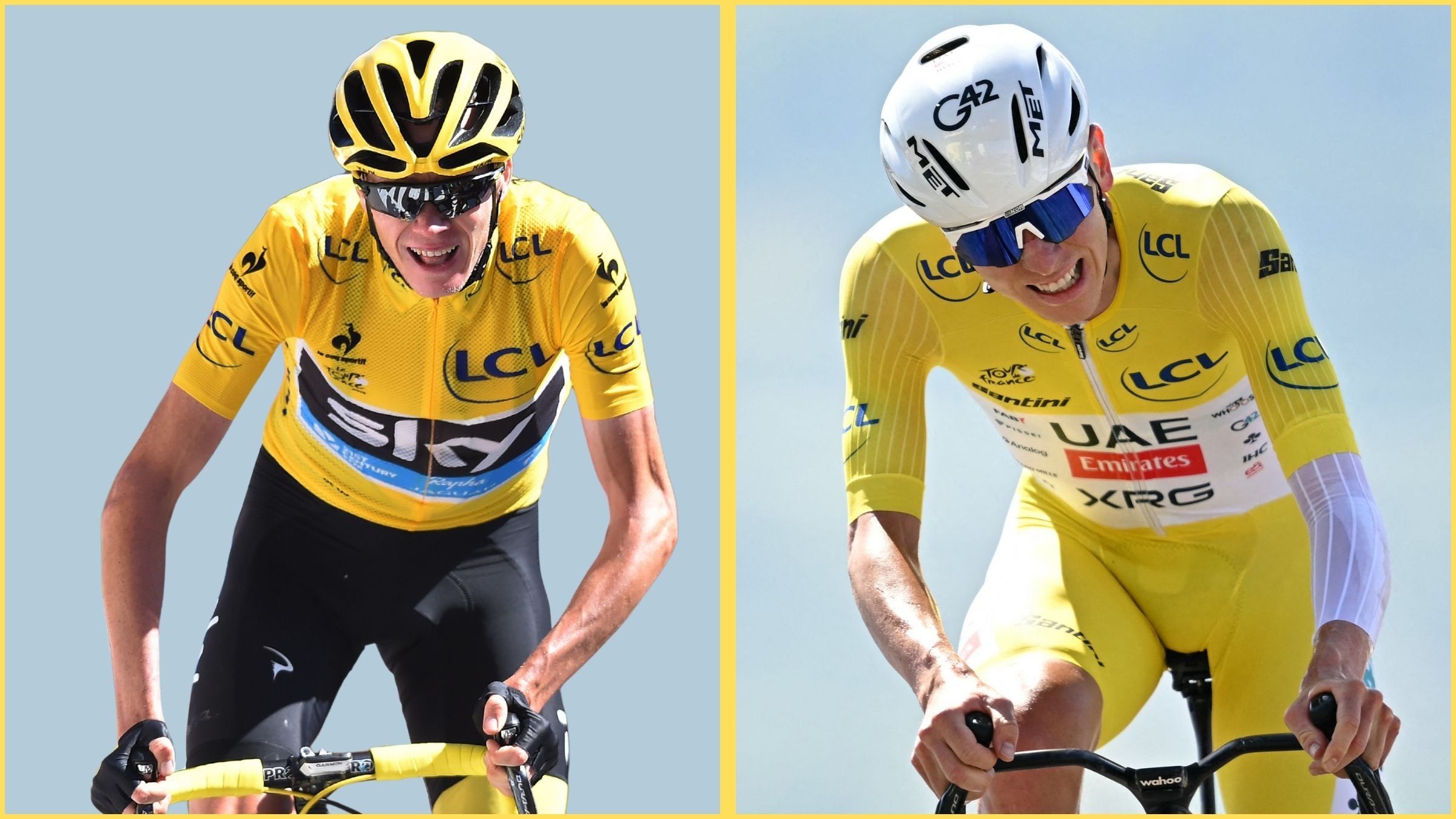
The Tour de France of 2026 presents a stark contrast to its 2016 counterpart in terms of its look, diet, and competitive dynamics. The evolution of professional cycling over the past decade has been so profound that it almost feels like a new sport compared to the era when Chris Froome clinched his third yellow jersey. The advancements in bike technology, nutrition strategies, and training methodologies have progressed at a pace that even Tadej Pogačar's rapid ascent to success pales in comparison.
The technological innovations in cycling equipment, the refined understanding of optimal nutrition for athletes, and the cutting-edge training techniques have reshaped the landscape of competitive cycling. The 2026 Tour de France embodies a new era where athletes are equipped with state-of-the-art gear, fueled by scientifically optimized diets, and trained with precision to push the boundaries of performance.
As the peloton navigates the challenging terrain of the Tour de France, the riders are not only battling each other but also the limits of human endurance and technological capabilities. The 2026 edition of the race showcases a level of athleticism and strategic sophistication that sets it apart from its predecessors, marking a new chapter in the history of professional cycling.
In conclusion, the 2026 Tour de France stands as a testament to the relentless pursuit of excellence in the world of professional cycling. With its cutting-edge technology, scientific approach to nutrition, and innovative training methods, the race represents a paradigm shift in the sport, setting a new standard for performance and pushing the boundaries of what is possible on two wheels.