Supreme Court 2026–27 Term Preview: Key Cases and Legal Issues
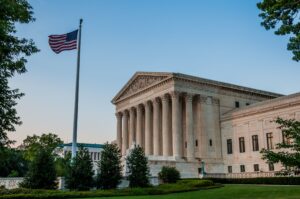
The Supreme Court is gearing up for the 2026–27 term with a docket filled with significant legal disputes covering various constitutional and legal issues. These cases touch on matters such as the Second Amendment, religious liberty, parental rights, criminal procedure, election law, and executive power. The justices are expected to hear arguments on these cases starting in October, with decisions likely to be released over the following months.
The upcoming cases continue the legal themes that shaped the court's previous term, including disputes on firearms, religion, gender identity, voting rules, civil rights claims, and government authority limits. One of the highly anticipated cases involves the protection of AR-15s and other semiautomatic rifles under the Second Amendment. The court will address challenges to bans on these firearms in Illinois and Connecticut, with potential implications for gun rights.
Religious liberty will also be a focal point in a case involving a Catholic preschool in Colorado that was excluded from a state preschool program due to its refusal to comply with anti-discrimination requirements without a religious exemption. The court will also consider cases related to parental rights, transgender-related care for minors, non-unanimous jury recommendations in criminal cases, and election law issues such as voter registration requirements and removal of noncitizens from voter rolls.
Additionally, the court will review cases on commercial, statutory, and property rights disputes, including issues related to civil contempt for violating court orders, trademark strength, just compensation for condemned property, and eligibility for adjusting to lawful permanent resident status for noncitizens. These cases highlight the diverse range of legal matters that the Supreme Court will address in the upcoming term, solidifying its role in shaping significant legal precedents.
As the court prepares for another consequential term, the pending petitions on nationwide injunctions, administrative power, and other federal law disputes suggest that the docket for the 2026–27 term could expand further, adding more complexity and importance to the cases that will come before the justices.