Unveiling the Secrets of the Iconic Deep Purple Guitar Tone: From 'Smoke on the Water' to Ritchie Blackmore's Stratocaster
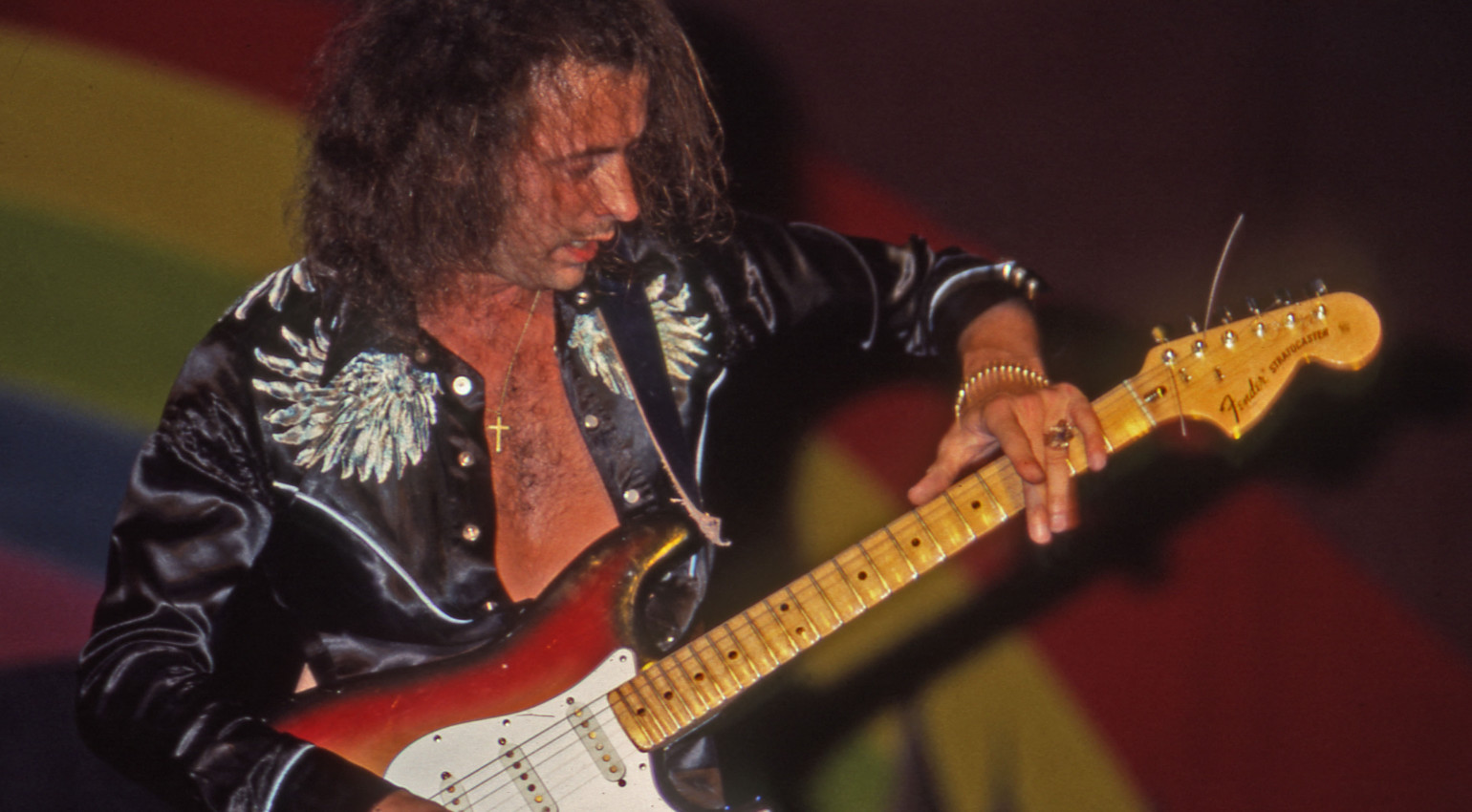
Achieving the iconic Deep Purple guitar tone, particularly from the legendary riff in "Smoke on the Water," is a pursuit many guitarists embark on. The riff, a staple for beginners, holds a historical significance in the band's discography. Ritchie Blackmore, the band's guitarist, drew inspiration from Beethoven's 5th Symphony, giving the riff a medieval touch with its jump in fourths.
The song's lyrics narrate the chaotic events surrounding the recording of Deep Purple's album "Machine Head." The band's equipment, stored in a former casino in Montreux, burned down due to a flare fired into the roof during a Frank Zappa concert. The rising smoke from the fire across Lake Geneva inspired the song's title, with the lyrics serving as a recount of the fateful evening.
Recording "Smoke on the Water" faced challenges, including high amp volumes causing complaints from residents at the Pavillon Theater. The master take of the song was captured under dramatic circumstances, with roadies holding the theater doors shut to prevent police intervention. Blackmore's Stratocaster, coupled with a Hornby Skewes Treble Booster and a modified Marshall Major, defined the Deep Purple guitar tone during the recording.
To replicate the Deep Purple guitar tone, owning a Stratocaster with single-coil pickups and basic recording equipment is essential. Free guitar software like NAM offers profiles to mimic Blackmore's sound, while paid plugins such as the Marshall Plexi Super Lead 1959 provide convenience and quality. Affordable options like the Marshall Origin Series amps and entry-level pedals from various brands can also help achieve the desired tone.
For those seeking to invest in premium gear, options like the Marshall 1959 Modified amp or the Friedman Plex Head offer alternatives to Blackmore's Marshall Major. These options cater to different budgets and preferences, allowing guitarists to explore and replicate the iconic Deep Purple guitar tone with varying levels of equipment and expertise.