The Twilight Zone: Exploring the Hits and Misses of a Sci-Fi Classic
"The Twilight Zone" is a classic sci-fi anthology series that has stood the test of time. Hosted by Rod Serling, each episode presents a unique and thought-provoking story. While some episodes have aged well and remain relevant, others have not fared as well due to technical issues or lackluster storytelling. The beauty of the anthology format is that viewers never know what to expect from one episode to the next, making it a binge-worthy show.
One such episode, "The Chaser," explores themes of love and control. Roger buys a love potion to make his crush, Leila, fall in love with him. However, the consequences of his actions take a dark turn, highlighting the dangers of stripping someone of their autonomy. The episode's unsettling premise and lack of a strong moral lesson make it a challenging watch.
Another controversial episode, "The Encounter," delves into racism and wartime trauma. The encounter between Fenton and Arthur, a Japanese-American man, reveals deep-seated prejudices and historical traumas. The episode's portrayal of Japanese-Americans in a negative light led to its ban for several decades, reflecting the societal tensions of the time.
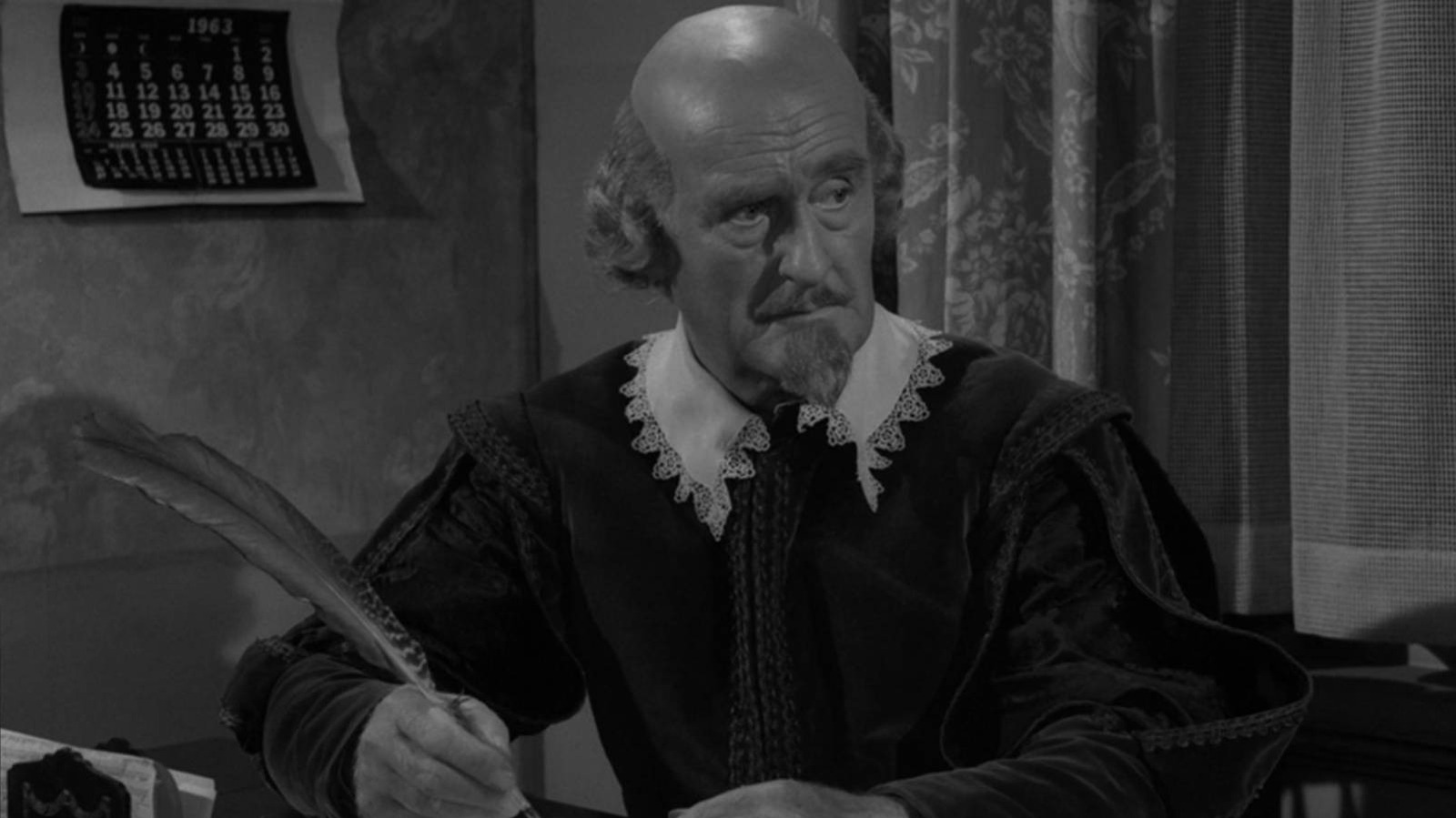
On the other end of the spectrum, "The Bard" is considered one of the worst episodes of "The Twilight Zone." The episode trades sci-fi and horror for slapstick comedy, with mixed results. The premise of a struggling screenwriter summoning Shakespeare back to life for help falls flat, lacking the wit and humor needed to sustain an hour-long episode.
Lastly, "The Bewitchin' Pool" serves as the final episode of the original run of "The Twilight Zone." Despite a promising premise, technical issues and poor execution mar the episode's legacy. Dubbed dialogue and repetitive scenes detract from the overall viewing experience, leaving a disappointing end to an iconic series.
In conclusion, while "The Twilight Zone" remains a beloved classic, not all episodes have aged well. From problematic themes to lackluster storytelling, some installments are best left unwatched. However, the show's enduring legacy and impact on the sci-fi genre cannot be denied, making it a timeless piece of television history.