Uncovering the Legacy of Jaswant Singh Khalra: The Story Behind the Film 'Satluj
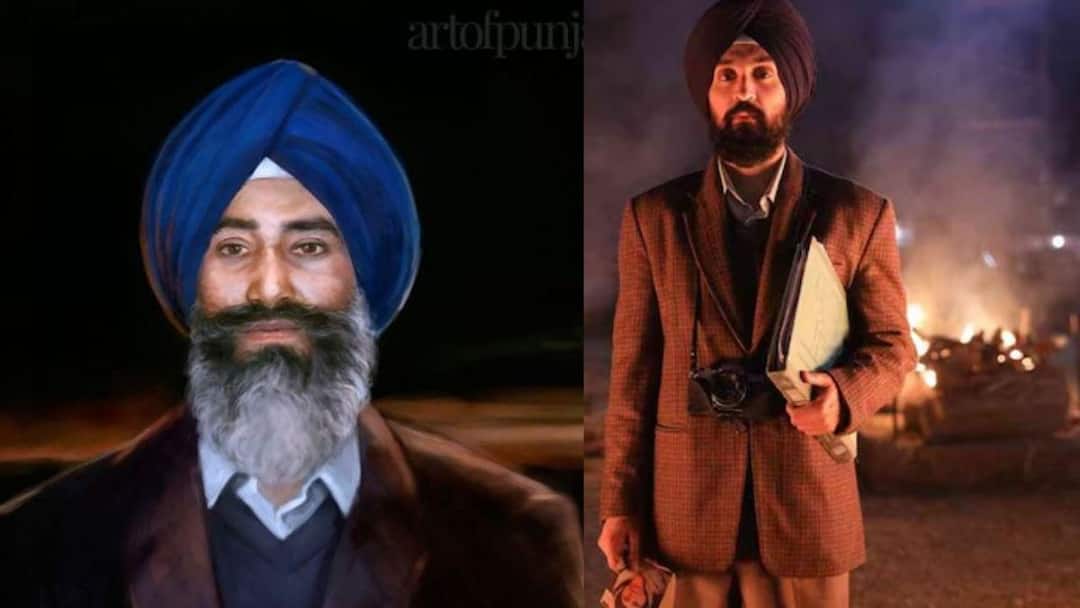
The film "Satluj," previously known as Punjab '95, has sparked renewed interest in the life of human rights activist Jaswant Singh Khalra. Zee5 has temporarily removed the film from its Indian platform, bringing attention back to Khalra's efforts to uncover illegal cremations and enforced disappearances during Punjab's militancy years. Khalra's work, disappearance, and subsequent legal battle have once again become the focus of public discourse, shedding light on his significant impact on India's human rights history.
Jaswant Singh Khalra, born in 1952 in Khalra village, Amritsar district, transitioned from a bank job to become a prominent human rights advocate. Influenced by events like Operation Blue Star, the assassination of Prime Minister Indira Gandhi, and the 1984 anti-Sikh riots, Khalra began investigating allegations of missing individuals following police detentions. His research led him to discover records in Amritsar that revealed thousands of unidentified bodies allegedly cremated without their families' knowledge, garnering national and international attention and solidifying his reputation as a leading human rights activist in Punjab.
In 1995, Khalra mysteriously disappeared after being last seen washing his car outside his home. The Khalra Foundation alleges that he was abducted by Punjab Police officers and never seen alive again. The Central Bureau of Investigation (CBI) later determined that he had been unlawfully detained at a police station in Tarn Taran before being killed. Subsequently, the CBI recommended criminal charges against nine Punjab Police officials, leading to the conviction of four former police personnel with enhanced punishment in 2007. Khalra's legacy lives on through his wife, Paramjit Kaur Khalra, and their children, Navkiran Kaur and Janmeet Singh.
The recent removal of the film "Satluj" from Zee5's Indian platform has reignited discussions about Jaswant Singh Khalra's life and work. Originally titled Punjab '95, the film faced certification challenges from the Central Board of Film Certification (CBFC) before its release as Satluj without reported cuts. Despite its temporary unavailability in India, Zee5 expressed gratitude for the overwhelming response to the film and affirmed its support for the project, director, and creative vision. The platform is exploring legal avenues to restore the film for Indian audiences, underscoring the ongoing relevance of Khalra's human rights campaign during Punjab's tumultuous militancy era.
In conclusion, Jaswant Singh Khalra's dedication to uncovering human rights violations in Punjab has left a lasting impact on India's history. The controversy surrounding the film "Satluj" has brought Khalra's story back into the spotlight, highlighting the importance of his investigative work and the pursuit of justice for those affected by the region's troubled past.