Unveiling Archangel: Exploring the Evolution of Warren Worthington III in "X-Men: The Animated Series
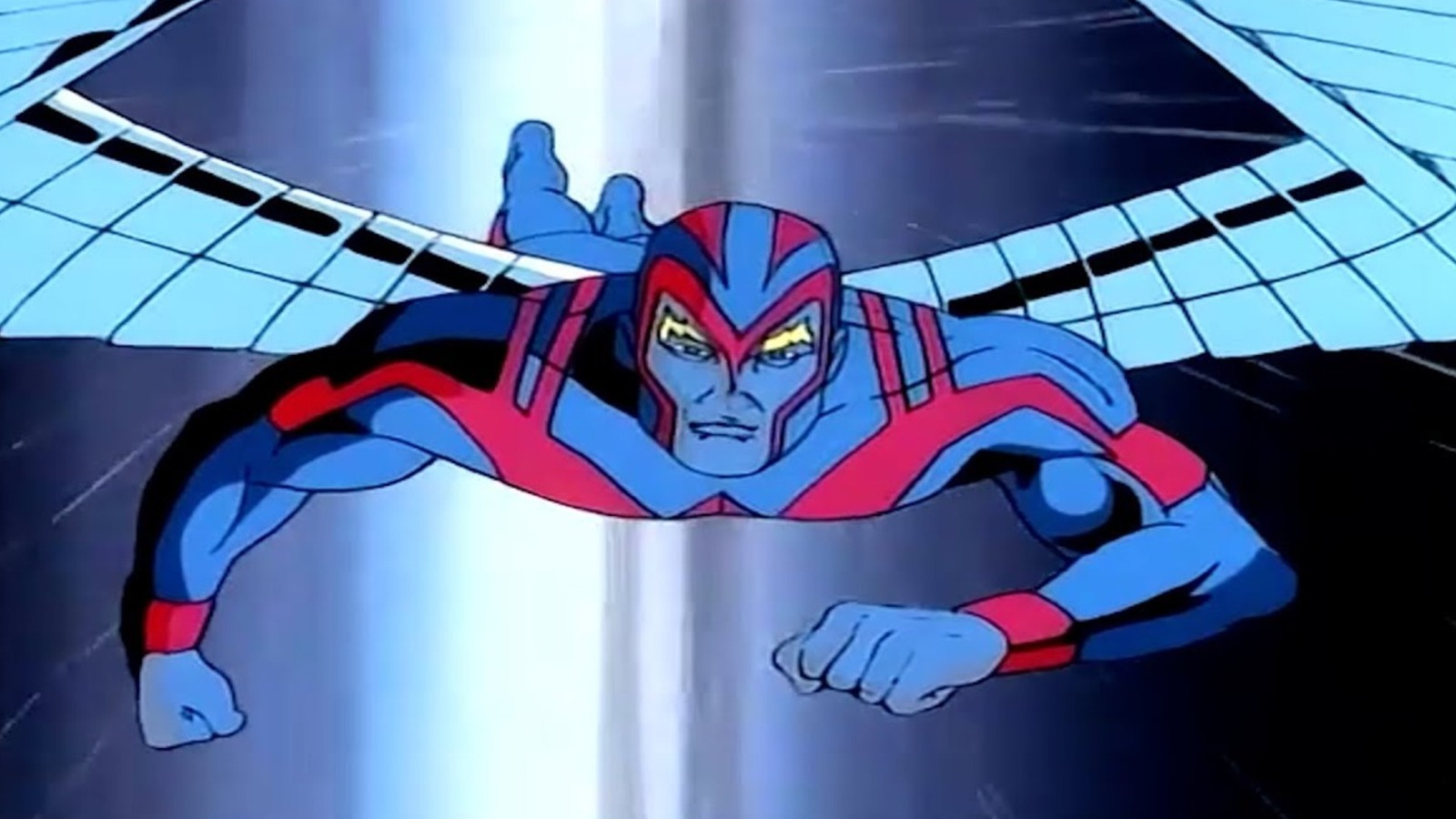
Welcome to our weekly column, "Fanon Fixing Canon," where we delve into notorious plot holes and questionable storyline decisions. By combining detective work and fan theories, we aim to resolve these issues and restore the integrity of the canon.
Marvel's "X-Men '97" Season 2 has reignited our love for the mutant team's 1990s animated version, prompting a nostalgic look back at its predecessor, "X-Men: The Animated Series." While both shows are considered among the best animated Marvel series, a rewatch of "X-Men: The Animated Series" without the veil of nostalgia reveals some peculiarities. One of the most notable discrepancies is the portrayal of Archangel, who undergoes a rapid transformation into one of Apocalypse's deadliest Horsemen. Despite flashbacks showing him as part of the original X-Men team, his initial antagonistic behavior towards them raises questions.
In the comics, Archangel, also known as Warren Worthington III, is a founding member of the X-Men. However, in "The Animated Series," his character arc diverges significantly. The animated Warren exhibits a desire to rid himself of his mutant powers, only to be manipulated by Apocalypse into becoming a metal-winged minion. His cold and confrontational demeanor towards the X-Men can be attributed to his privileged upbringing, disdain for his powers, and strained relationship with the original team members. This unique interpretation of Warren's character sheds light on his motivations and actions within the series.
Unlike his comic counterpart, the animated Warren lacks the same familial bond with the original X-Men, leading to his standoffish attitude towards them. The show's portrayal of Warren as a wealthy and aloof individual further emphasizes his disconnect from the team. His reluctance to acknowledge or associate with his former teammates stems from a combination of personal history, resentment towards his powers, and a sense of entitlement. This characterization adds depth to Archangel's complex relationship with the X-Men and his journey towards redemption.
Despite his initial animosity towards the X-Men, Archangel's evolution throughout the series showcases a gradual shift in his attitude. Following his liberation from Apocalypse's control, Warren demonstrates a willingness to cooperate with the newer X-Men members, such as Rogue, in confronting common threats. His transformation from a reluctant ally to a more amicable teammate highlights his growth and acceptance of his role within the mutant community. By exploring the nuances of Archangel's character development, "X-Men: The Animated Series" offers a compelling reinterpretation of a classic Marvel hero.
In conclusion, the reinterpretation of Archangel in "X-Men: The Animated Series" provides a fresh perspective on his character and motivations. By delving into Warren's complex backstory, the series offers a nuanced portrayal of his journey from a conflicted antihero to a reluctant ally of the X-Men. Through meticulous storytelling and character development, "X-Men: The Animated Series" enriches the mythos of the mutant team and showcases the enduring appeal of these iconic characters.