Building Resilient Roads: Addressing Climate Change Challenges in Infrastructure Design
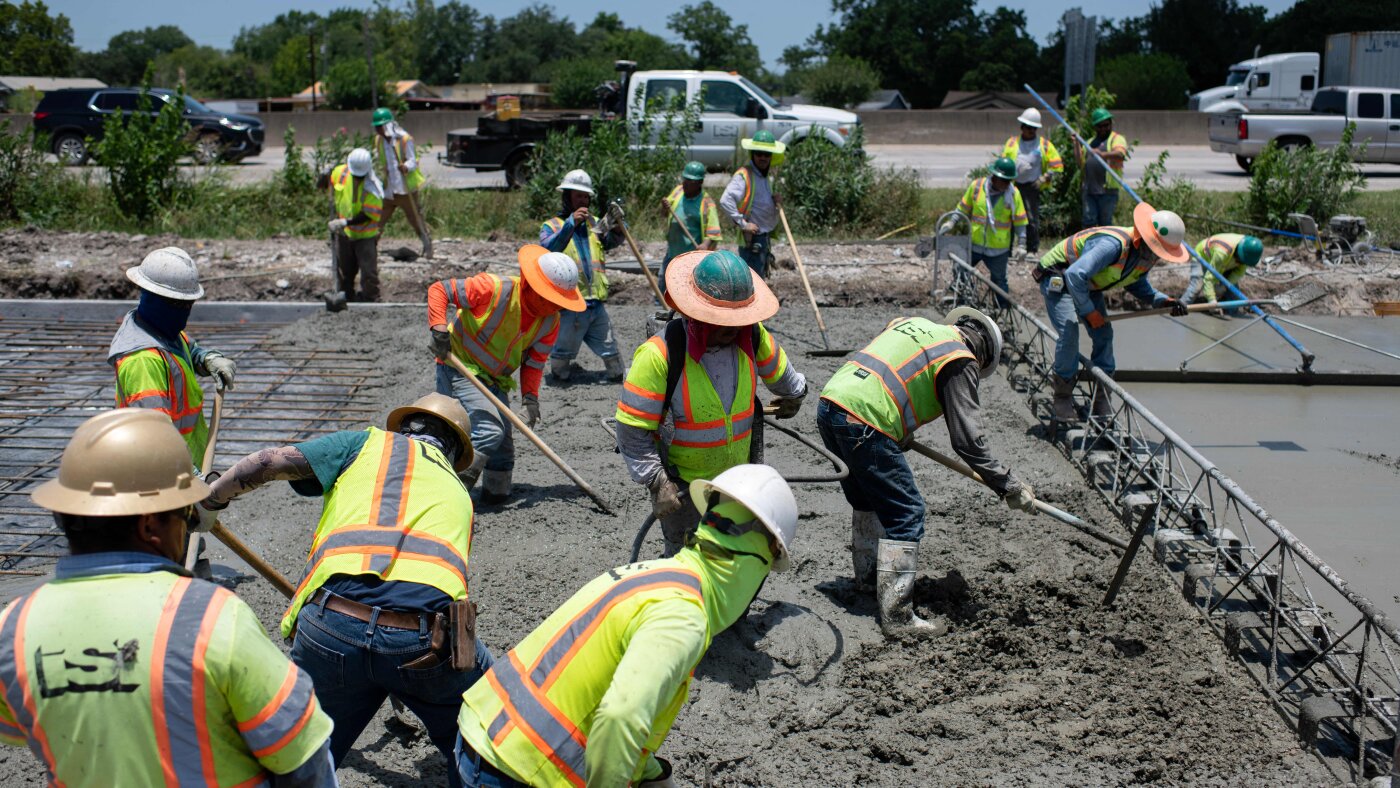
A recent heat wave in the eastern United States during the Fourth of July weekend caused extreme temperatures that led to road damage in various areas. Interstate 97 south of Baltimore and a city street in Chicago experienced pavement failures due to the high temperatures. Climate change is contributing to more intense heat waves and heavier rainfall, which can result in road damage. Civil engineers are working to address the challenges posed by these extreme weather conditions.
Heat-related road failures occur when moisture-weakened pavement expands and warps under high temperatures. Concrete pavements are particularly susceptible to this type of damage. Engineers use steel rebar or expansion joints to account for expansion in concrete pavements. Asphalt roads, on the other hand, tend to form ruts in hot weather but are easier to repair compared to concrete.
Concrete highways are more durable and have a longer service life but are more expensive to build. Asphalt roads are cheaper upfront but require more frequent maintenance. Engineers are exploring different pavement designs to address the challenges posed by extreme weather events. Incorporating weather and climate data into pavement design is crucial to ensure road durability and safety.
Engineers are considering more durable asphalt blends and different reinforcement strategies for rigid roads to improve their resilience to extreme weather conditions. Designing roads to withstand a wider range of temperatures is essential to prevent pavement failures. As temperatures continue to rise, the infrastructure needs to adapt to the changing climate to ensure the safety and functionality of roads.
The current approach to infrastructure design may not be sufficient for the future as temperatures become hotter and more extreme weather events occur. Innovation and knowledge sharing are essential to address the challenges posed by climate change and ensure the resilience of the nation's roads. Adapting infrastructure to the changing climate requires a collaborative effort and a willingness to embrace new technologies and design strategies.