The Cutthroat World of 1990s Talk Shows: Behind the Scenes Drama and Rivalry
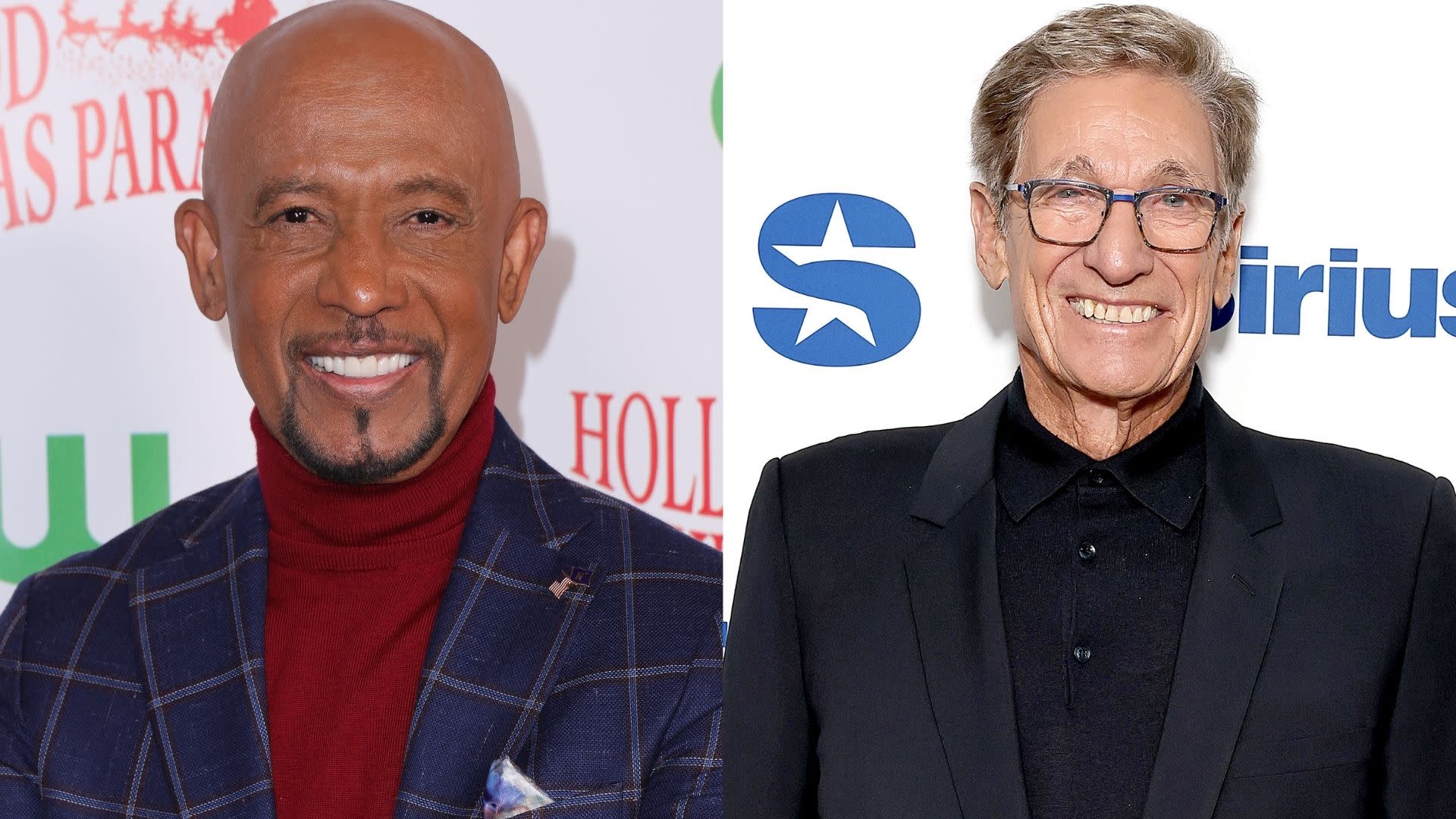
The 1990s were a battleground for talk show hosts like Montel Williams and Maury Povich, who reminisced about the cutthroat competition and drama that defined the era. They revealed the intense rivalry among daytime TV heavyweights such as Oprah Winfrey, Jerry Springer, Ricki Lake, and Phil Donahue, where stealing guests and chasing ratings were the norm. Williams and Povich highlighted how talk shows of that time laid the foundation for today's reality TV craze, shaping global culture.
With over 100 syndicated talk shows launching and disappearing in the early '90s, only a few became household names, causing a stir among veterans when Ricki Lake entered the scene with her young audience. Despite the fierce competition, Williams and Povich emphasized the mutual respect that existed among hosts behind the scenes. They admitted to obsessing over ratings and constantly trying to outperform each other, all while acknowledging Oprah's reign as the queen of daytime TV.
Williams also reflected on his show's use of psychic Sylvia Browne, clarifying that he never believed in psychics but recognized Browne's skill in reading people through observation. The hosts delved into the darker side of daytime TV, where sensational topics, paternity tests, and explosive confrontations were used to boost ratings, leading to criticism and scrutiny from advertisers and lawmakers after a tragic incident connected to The Jenny Jones Show.
Despite the controversies, Williams defended the genre, attributing its popularity to audience demand and the high ratings achieved by talk shows of that era. However, both hosts agreed that the fast-paced nature of today's society would not allow the talk show format to thrive in the same way it did in the '90s. The era of the golden age of daytime TV may be a thing of the past, but its impact on television and culture remains undeniable.