Unprecedented Actions at NATO Summit: Trump's Strikes on Iran and Rifts in the Alliance
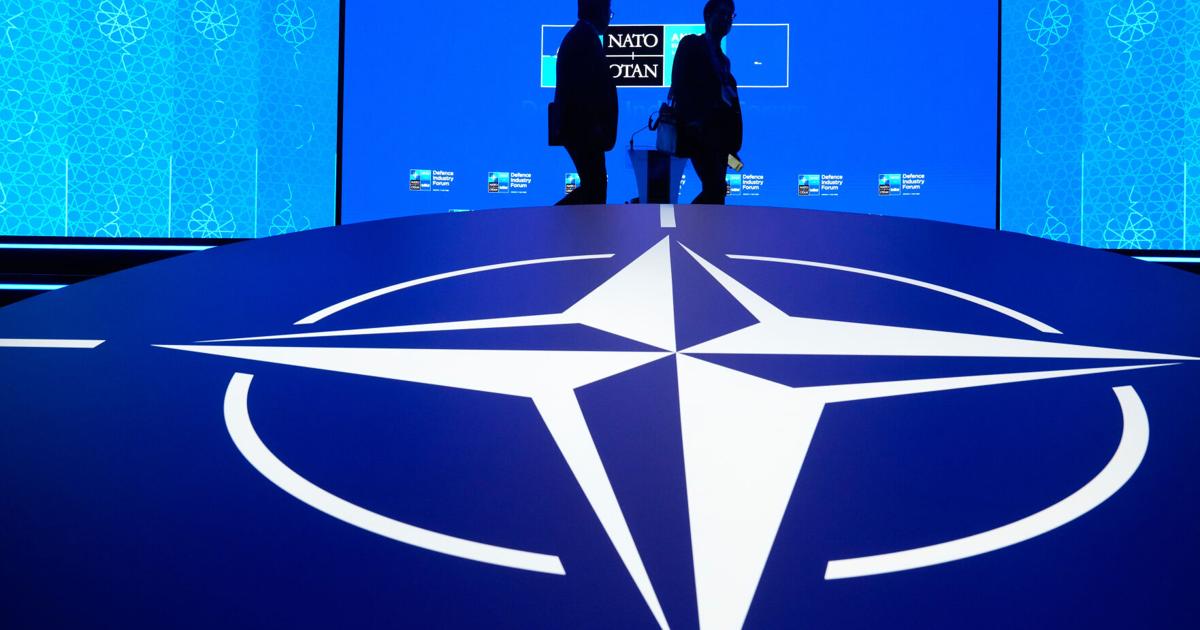
In a surprising turn of events, President Donald Trump launched strikes on Iran and revoked a license allowing Tehran to sell oil on the world market during a NATO summit in Turkey. The strikes were in retaliation for attacks on merchant ships in the Strait of Hormuz, highlighting the fragile nature of the interim deal between the two countries. Trump's actions overshadowed the summit's focus on defense spending and support for Ukraine's conflict with Russia.
Trump's decision to launch military strikes while abroad raised eyebrows among NATO allies, who were concerned about potential grievances over the U.S.-Iran conflict. The President's demand for loyalty and criticism of NATO's defense capabilities added tension to the summit. Despite efforts to showcase increased defense spending by European allies and Canada, Trump's actions indicated a possible rift within the alliance.
NATO summits are crucial for demonstrating unity and deterring adversaries, especially in the face of ongoing conflicts like Russia's aggression in Ukraine. Trump's emphasis on burden-sharing and defense spending targets has put pressure on member countries to meet their commitments. The alliance's focus on a more efficient and capable defense strategy, known as "NATO 3.0," underscores the need for Europe to take greater responsibility for its security.
As the summit unfolds, discussions about Ukraine's potential NATO membership and the Pentagon's review of U.S. force presence in Europe are key topics of debate. President Zelenskyy's plea for Ukraine to join the alliance and his country's military capabilities add a sense of urgency to the discussions. Concerns about Russia's hybrid warfare tactics and the potential for conflict in Europe underscore the importance of NATO's role in maintaining stability and security in the region.
In addition to addressing defense and security issues, Trump's meetings with Syrian President Ahmad al-Sharaa raise questions about the future of Syria and its relations with the West. Al-Sharaa's role in unseating Bashar Assad and Trump's support for his leadership add complexity to the discussions. The Syrian leader's stance on Hezbollah and Lebanon's concerns about regional stability further complicate the diplomatic landscape.
Overall, the NATO summit in Turkey has been marked by unexpected military actions, tensions over defense spending, and discussions about the alliance's future direction. As leaders navigate these challenges and seek to strengthen NATO's unity and effectiveness, the summit serves as a critical forum for addressing security threats and promoting cooperation among member countries.