Building a Sustainable Future: China-Mexico Dialogue on Green Rail Transit
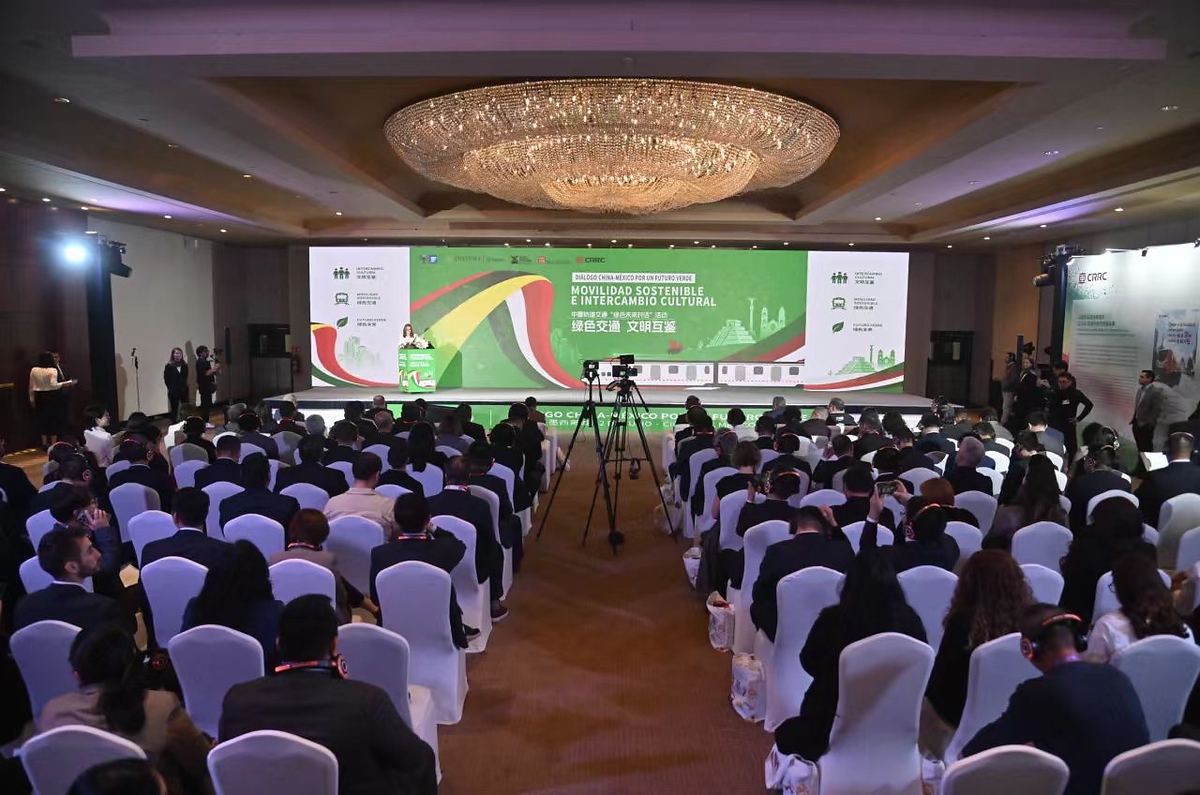
Representatives from UNESCO, Chinese and Mexican government agencies, industry associations, and businesses recently convened in Mexico City for the China-Mexico Dialogue for a Green Future on Rail Transit. The event, themed "Green Mobility, Shared Civilizations," aimed to explore sustainable transportation's potential to enhance urban mobility and cultural connections between the two nations. Discussions revolved around the significance of rail transit in reducing emissions and meeting the rising transportation needs of cities, with a focus on potential collaboration between China and Mexico in sustainable urban mobility.
Mexico City's ongoing efforts to electrify its transit network were highlighted during the dialogue, underscoring the opportunities for cooperation between the two countries. CRRC, a prominent rail systems provider, showcased solutions tailored to local conditions and infused with Mexican cultural elements. UNESCO representatives commended CRRC's localized ESG (Environmental, Social, and Governance) strategy as a model for integrating sustainability into daily business practices.
CRRC Corporation Limited's President, Wang Feng, emphasized the company's commitment to assisting cities in constructing cleaner and more efficient transportation systems. In Mexico, this commitment translates into blending cutting-edge rail technology with localized operations and ESG principles to address local needs effectively. A cooperation agreement was signed during the event between CRRC Zhuzhou Locomotive Co., Ltd., and Mexico's National Institute of Anthropology and History, establishing the China-Mexico Cultural Preservation and Communication Project.
The unveiling of the 2025 CRRC in Mexico Sustainability Report marked another significant moment at the event. Aligned with the UN 2030 Agenda for Sustainable Development and Mexico's regulatory framework, the report details CRRC's ESG initiatives in Mexico and showcases the environmental benefits of the company's projects on the Mexico City Metro and Light Rail systems, as well as in Guadalajara, Monterrey, and Campeche. The report also highlights CRRC's support for transportation infrastructure in various cities.
Panel discussions at the dialogue delved into two key themes: "Smart Mobility and Urban Resilience" and "Cultural Stewardship and Inclusive Communities." Participants explored how rail transit can contribute to emission reduction, enhance mobility, and serve as a communal space that fosters cultural exchange. The event concluded with an exhibition featuring artwork by Chinese and Mexican children, interactive displays showcasing China's intangible cultural heritage, and performances celebrating Mexican culture.
In conclusion, the China-Mexico Dialogue for a Green Future on Rail Transit provided a platform for stakeholders to exchange insights on sustainable urban development, emphasizing the importance of collaboration in advancing green mobility and preserving cultural heritage. The event underscored the potential for China-Mexico cooperation in creating innovative solutions for sustainable transportation and fostering inclusive, resilient communities.