Challenges and Opportunities in Adaptive Reuse Projects: Lessons from the Former Pfizer Headquarters Incident
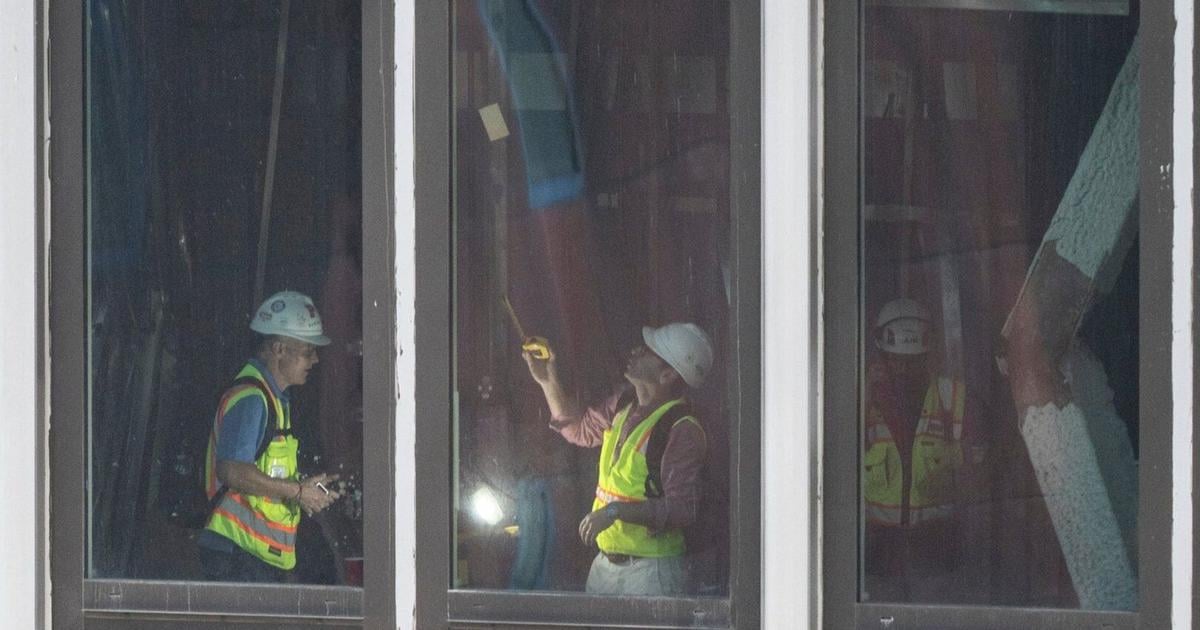
The recent incident at the former Pfizer headquarters in midtown Manhattan, where two steel columns buckled, led to evacuations and a temporary halt in the conversion of the office building into apartments. This event shed light on the intricate engineering involved in adaptive reuse projects, which have gained popularity as a solution to the housing shortage exacerbated by the COVID-19 pandemic.
Adaptive reuse projects involve repurposing existing structures, such as office buildings, into residential spaces to address the growing demand for housing. These projects offer a sustainable and cost-effective way to create new living spaces while preserving the architectural heritage of older buildings.
The incident at the former Pfizer headquarters serves as a reminder of the challenges and risks associated with adaptive reuse projects. Engineers and developers must carefully assess the structural integrity of existing buildings and implement necessary reinforcements to ensure the safety and stability of the new residential spaces.
Despite the setback caused by the buckled steel columns, the conversion of the former Pfizer headquarters into apartments is expected to resume once the necessary repairs and safety measures are in place. This incident underscores the importance of thorough planning and rigorous engineering in adaptive reuse projects to ensure the successful transformation of underutilized buildings into vibrant living spaces.
In conclusion, the incident at the former Pfizer headquarters in midtown Manhattan highlights the complexities and risks involved in adaptive reuse projects. As the demand for housing continues to rise, these projects play a crucial role in repurposing existing structures to meet the needs of the community. By prioritizing safety and structural integrity, developers can successfully convert underused buildings into modern and sustainable living spaces.