Like A Rolling Stone: Bob Dylan's Iconic Transformation in 1965
Bob Dylan's career took a significant turn in 1965 when he wrote the iconic song "Like A Rolling Stone." After feeling drained and considering giving up performing, Dylan found inspiration during a flight home and penned a 20-page stream-of-consciousness poem that would become the basis for the song. With a simple three-chord progression borrowed from Ritchie Valens' "La Bamba," Dylan crafted the verses and brought the song to life in the studio.
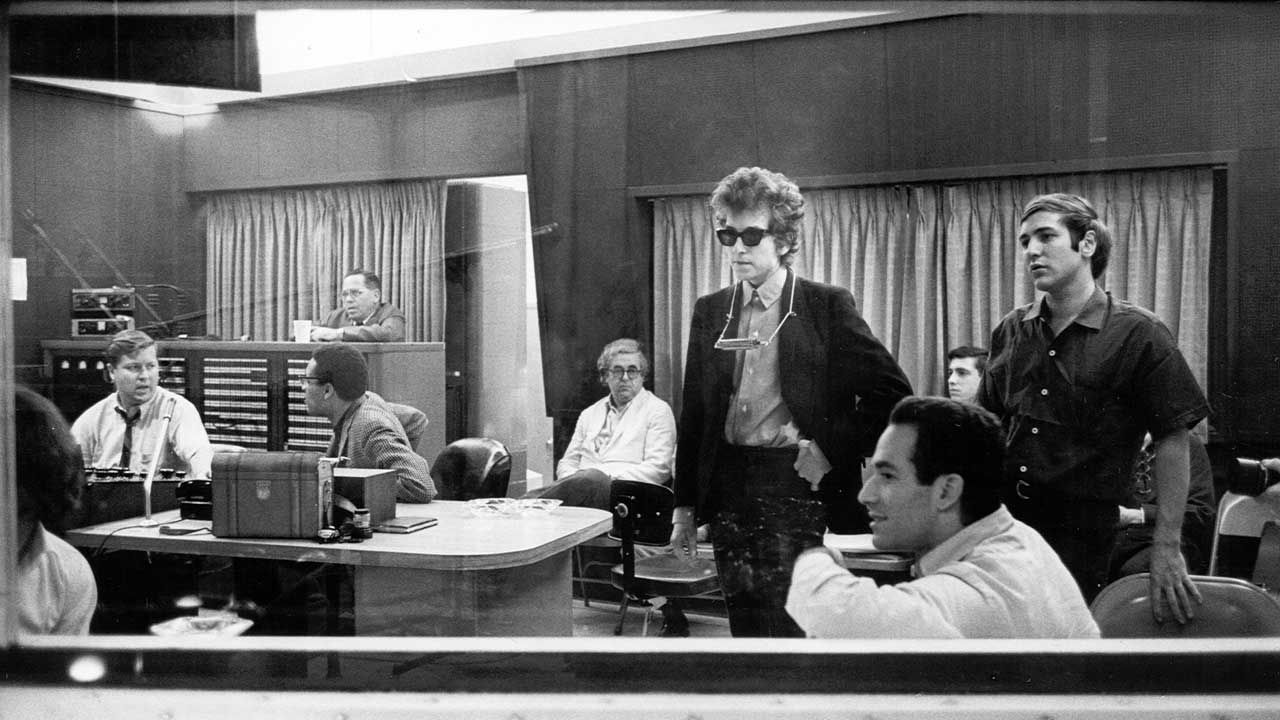
Recording the song in New York's Columbia Studio A with producer Tom Wilson and a band led by Mike Bloomfield, Dylan's initial takes were moody and unfocused until Al Kooper's arrival and his electrifying Hammond B-3 organ playing transformed the session. "Like A Rolling Stone" is renowned for its groundbreaking lyrics, intricate rhymes, and rebellious attitude, challenging the conventional three-minute song length of the time.
Despite initial hesitation from Columbia Records, the song gained traction after being leaked to a popular discotheque in Manhattan, where it became an instant hit. "Like A Rolling Stone" reached No. 2 on the US Billboard charts and solidified Dylan's transition from folk to rock music. The song's success was further highlighted when Dylan famously performed it at the Newport Folk Festival, marking a pivotal moment in his career.
Decades later, Dylan reflected on the impact of "Like A Rolling Stone," acknowledging that it changed his approach to songwriting and solidified his focus on creating music. The song remains a timeless classic that showcases Dylan's evolution as an artist and his enduring influence on the music industry.