The Nice: Pioneers of Progressive Rock and Controversial Innovators
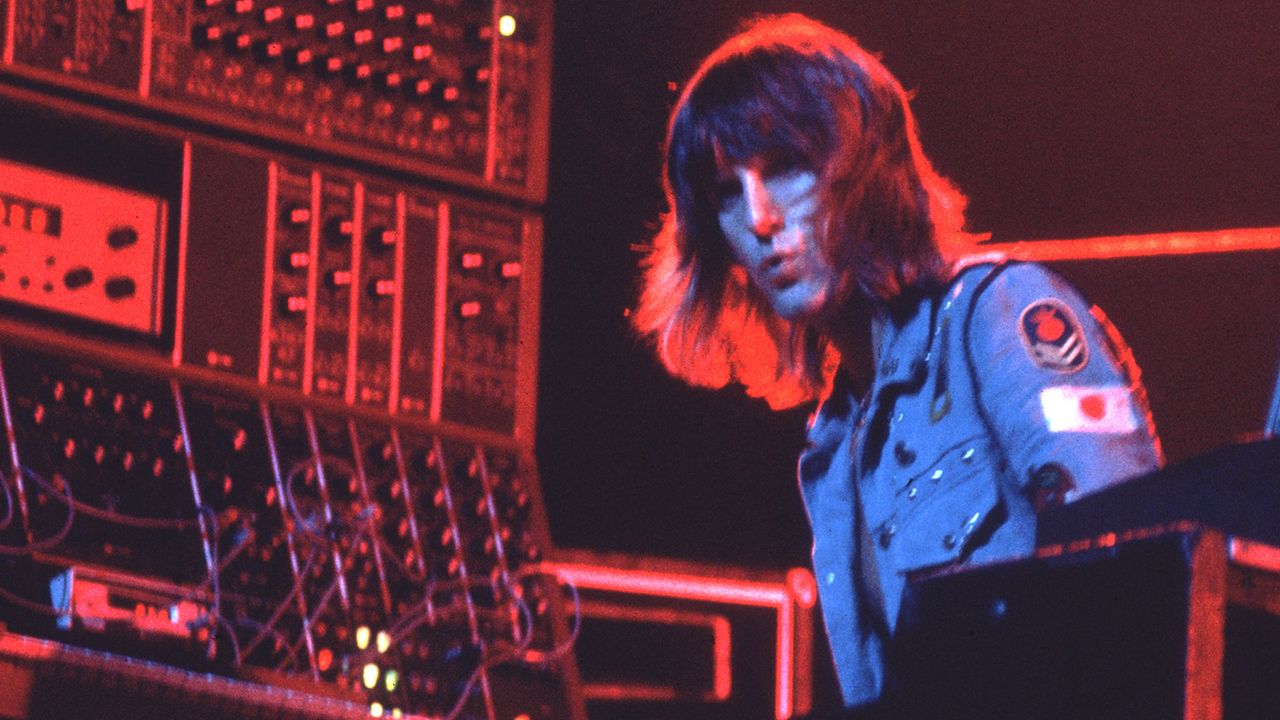
The band known as The Nice, consisting of Keith Emerson, Davy O'List, Lee Jackson, and Ian Hague, initially formed as a backing band for American singer PP Arnold in the late 1960s. They soon gained recognition for their unique approach to music, which would later be considered a precursor to progressive rock. Their debut album, "The Thoughts Of Emerlist Davjack," featured a notable track called "Rondo," a reinterpretation of Dave Brubeck's "Blue Rondo a la Turk."
One of The Nice's most controversial moments came with their 1968 cover of Leonard Bernstein's "America," which transformed the upbeat song into a dark instrumental protest piece. This performance, which included burning a US flag, led to their ban from the Royal Albert Hall after an anti-apartheid concert. Despite the backlash, Emerson defended the act as a statement against the violence and corruption he perceived in American society.
The band faced internal conflicts as well, particularly with guitarist Davy O'List, who claimed significant credit for the band's work on their debut album. Emerson and Jackson disputed O'List's claims, highlighting their collaboration and the decision to part ways with O'List due to his erratic behavior. The band continued as a trio until Emerson's departure in 1970 to form Emerson, Lake & Palmer.
Reflecting on his time with The Nice and subsequent opportunities with bands like Jethro Tull, Pink Floyd, and Roxy Music, O'List acknowledged his youthful inexperience and missed opportunities. Despite the disputes and challenges, he maintained amicable relationships with his former bandmates and expressed gratitude for the second chance he found in his music career.