Tragedy in Bel-Air: The Murder of Miguel Angel Aguilar and the Pursuit of Justice
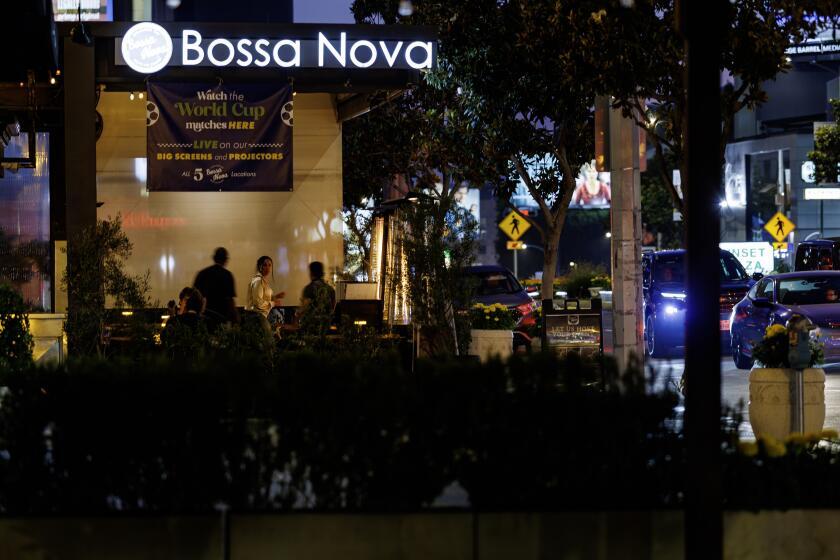
After enjoying a late lunch with his wife in West Hollywood, Miguel Angel Aguilar drove his vintage white convertible 1959 Chevrolet Impala back to his home in Bel-Air. Unbeknownst to him, a gray Acura sedan was following him through the rush-hour traffic on Sunset Boulevard. The occupants of the Acura, four young men from Oakland, had come to Los Angeles with the intention of committing robberies, as revealed in court proceedings.
Aguilar, a 43-year-old influencer known for his success story of overcoming poverty and addiction to establish a chain of gyms, had a significant online following on platforms like Instagram and YouTube. His Impala, adorned with a sign reading "SLF MDE," was described by a detective as meticulously maintained and visually appealing. The car was captured in photographs during the fateful drive home on September 13, 2024.
As Aguilar approached his residence on Thurston Circle, surveillance footage showed his Impala being followed by the gray Acura. Moments later, muffled shouts and gunshots rang out, leading to Aguilar sustaining a gunshot wound to his neck. His wife recounted the harrowing experience of masked, armed men demanding their watches as Aguilar, who possessed a concealed firearm permit, attempted to defend them.
Following the shooting, the assailants fled in the Acura, which was later involved in a collision on the way to the hospital. One of the robbers, Mario Melara, succumbed to his injuries, while Aguilar fought for his life for three months before passing away on December 21, 2024. Subsequent investigations and arrests in Oakland led to the charging of Jason Melara, Mahki Taylor, and Daymonee Johnson with murder and robbery in connection to the tragic events.
During the court proceedings, conflicting testimonies emerged regarding the sequence of events and the roles played by the accused individuals. Defense attorneys argued for the dismissal of murder charges, citing lack of evidence, while prosecutors emphasized the gravity of the situation and the lethal consequences of the robbery. Ultimately, the judge ruled that there was sufficient evidence for Melara, Taylor, and Johnson to stand trial on charges of robbery, assault, and murder.
In a case marked by tragedy and violence, the legal proceedings shed light on the events leading to the untimely death of Miguel Angel Aguilar and the subsequent arrests of the individuals involved. The pursuit of justice in this complex and emotionally charged case continues to unfold in the judicial system.