Exploring the Humanoid Aliens of Star Trek: From Budget Constraints to Narrative Necessities
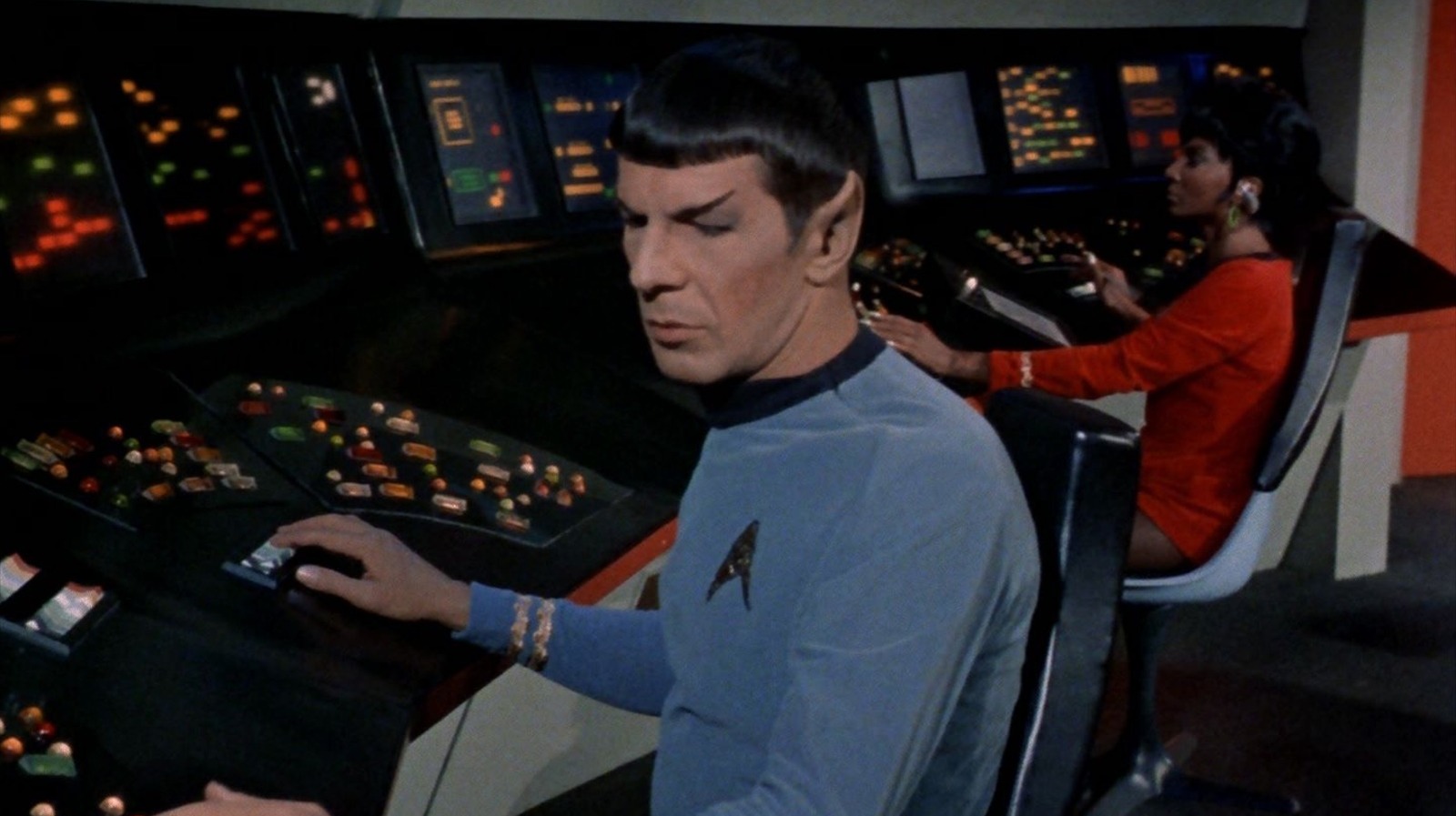
In the world of "Star Trek," many non-human characters share a strikingly humanoid appearance, with two arms, two legs, and one head. This phenomenon is explained in an episode of "Star Trek: The Next Generation" called "The Chase," where an ancient humanoid species seeded DNA across multiple worlds, leading to the evolution of similar humanoid beings throughout the Milky Way.
While the canonical explanation offers a fascinating origin story, there are more practical reasons behind the prevalence of humanoid aliens in "Star Trek." Creating aliens with human-like features makes them more relatable and recognizable to the human audience, enhancing the viewers' connection with the characters. Additionally, the constraints of production, such as budget and the need for human actors to portray aliens, influenced the design of alien species in the franchise.
In the early days of "Star Trek," budget considerations played a significant role in the creation of alien characters. Gene Roddenberry, the creator of the series, sought to depict a diverse crew on the starship Enterprise, including alien members. However, due to limitations in time and resources, the practical solution was to modify human actors with simple prosthetics, like pointed ears or forehead bumps, to represent different alien races.
Leonard Nimoy, who portrayed the iconic character Spock, recalled a conversation with Roddenberry where the necessity of having an alien character on the Enterprise was discussed. Nimoy's transformation into Spock, with his distinctive pointed ears and logical demeanor, effectively conveyed the message of interspecies cooperation and diversity within the crew, despite the budgetary constraints of the production.
While the original vision for "Star Trek" may have included a more varied alien crew, the practicalities of television production at the time limited the extent to which diverse alien species could be represented. Despite these constraints, the character of Spock, with his unique appearance and demeanor, successfully embodied the spirit of cooperation and unity between humans and aliens in the vast universe of "Star Trek."
In conclusion, the humanoid appearance of many alien characters in "Star Trek" serves both narrative and practical purposes, allowing for relatable storytelling while working within the constraints of production. Through iconic characters like Spock, the series has showcased the potential for cooperation and understanding between different species, transcending physical differences to explore the shared values and aspirations of diverse beings in the galaxy.