It's Always Sunny in Philadelphia: Navigating Real-World Discourse and Meta-Commentary in Comedy
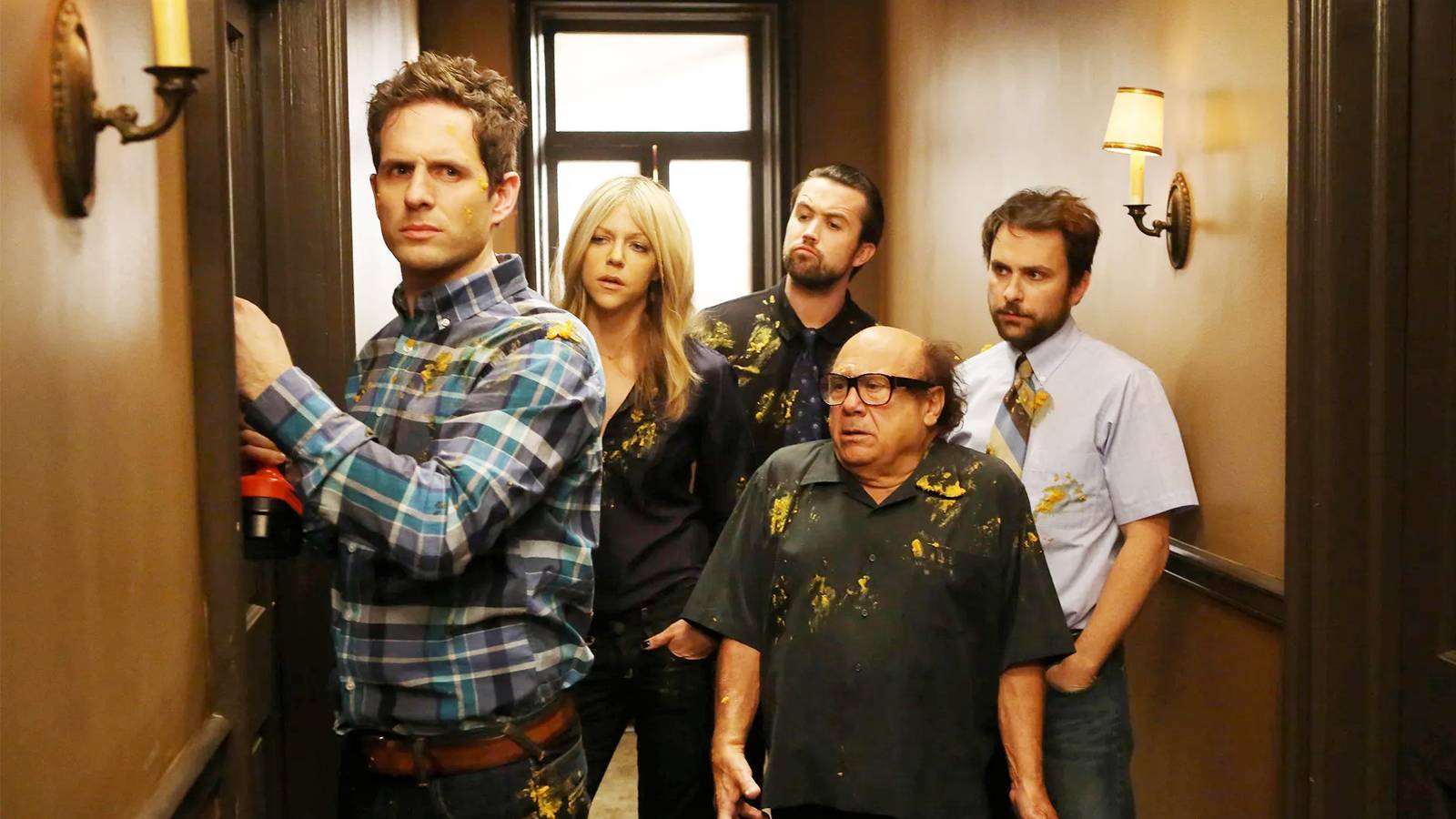
"It's Always Sunny in Philadelphia" has managed to stay fresh and engaging for nearly two decades by cleverly incorporating real-world discussions and criticisms into its episodes. The show doesn't shy away from addressing viewer reactions, debates about character changes, or speculations about the series' future. This approach allows both casual viewers and long-time fans to enjoy the episodes on different levels, with hidden commentaries aimed directly at the audience and broader discourse surrounding the show.
When Glenn Howerton's future on the show became uncertain, the season finale of season 12 sparked debates about the series' survival without Dennis Reynolds. Season 13's episode, "The Gang Makes Paddy's Great Again," humorously mocks these concerns by introducing a potential replacement for Dennis, only to have him return at the end, highlighting the futility of speculating about dramatic changes in the show.
The show also addresses Rob McElhenney's physical transformation in a satirical manner, with the episode "The Gang Makes Paddy's Great Again" poking fun at the exaggerated attention given to Mac's new appearance. By downplaying the significance of his transformation, the episode questions the audience's obsession with celebrity physical changes.
In an unexpected twist on the traditional clip show format, "The Gang Does a Clip Show" explores false memories and alternate versions of past events, cleverly mocking audience expectations and fandom's tendency to reinterpret the past. The episode turns a routine clip show into a meta-commentary on memory and perception.
"The Gang Tries Desperately to Win an Award" offers a direct industry satire, reflecting the show's lack of major awards recognition despite its critical acclaim. By parodying elements commonly associated with award-winning shows, the episode humorously dissects television awards culture and the expectations placed on comedies to conform to certain criteria.
"Paddy's Pub: The Worst Bar in Philadelphia" addresses criticism directly by having the Gang respond to a scathing review of their bar, echoing criticisms often directed at the show itself. The episode embraces and exaggerates the complaints, turning them into comedic fodder and poking fun at the discourse surrounding the series.
In "Waiting for Big Mo," the show metaphorically addresses questions about its longevity and future, with the Gang contemplating whether it's time to move on from their routine. The episode reflects discussions about the show's potential end and the cast's future projects, ultimately reaffirming that "It's Always Sunny in Philadelphia" isn't ready to grow up or change its formula just yet.
In conclusion, "It's Always Sunny in Philadelphia" has masterfully integrated real-world discussions, criticisms, and industry satire into its episodes, creating a unique viewing experience that engages both casual viewers and dedicated fans. The show's ability to address audience reactions and meta-commentary while maintaining its signature absurd humor has contributed to its enduring popularity and relevance in the comedy landscape.