Unveiling the Ancient Tomb of Paser: A Remarkable Discovery in Luxor, Egypt
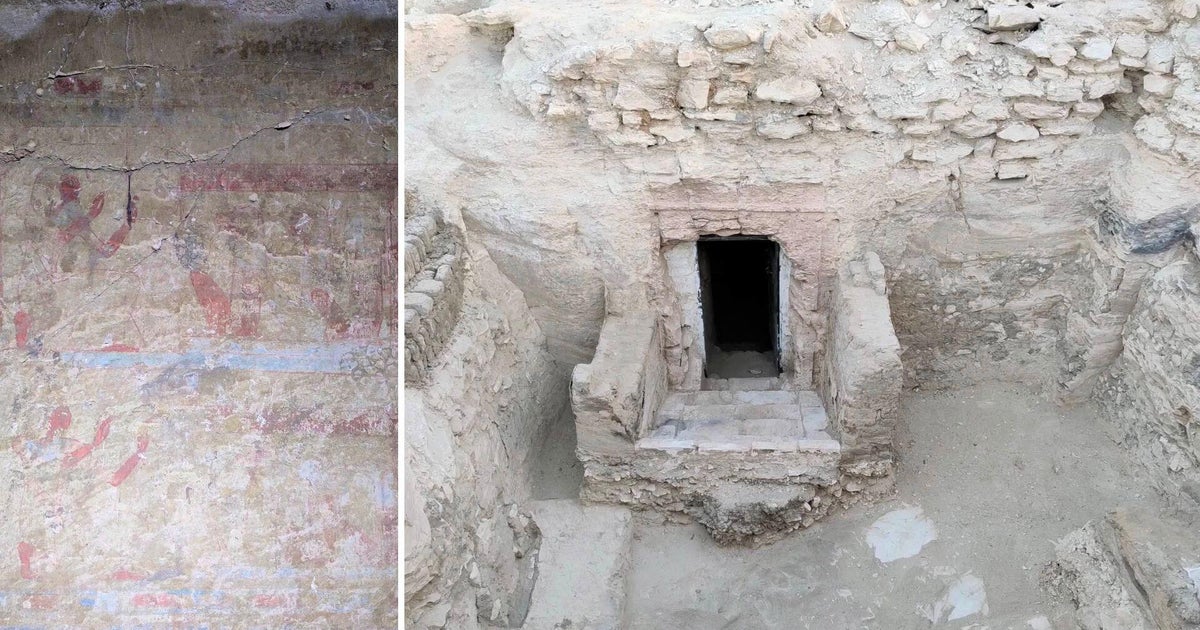
A recent archaeological discovery in Luxor, Egypt, revealed a 3,000-year-old tomb belonging to a man named Paser. The tomb was unearthed by a Dutch archaeological mission from Leiden University in the Sheikh Abd el-Qurna necropolis on Luxor's West Bank. Experts believe the tomb dates back to the Ramesside period, characterized by its artistic inscriptions.
The tomb, located east of a known burial site, follows the traditional layout of private Theban tombs from Egypt's New Kingdom era. It features an open courtyard leading to a rock-cut chapel shaped like an inverted "T" with burial chambers below ground level. The courtyard contains well-preserved architectural elements, including a mudbrick bench and a staircase leading to the entrance.
Inside the tomb, inscriptions bearing Paser's name depict him worshipping various deities and seated with his wife before an offering table. The excavation team will continue to study the tomb to identify the individuals buried there and gain insights into its historical significance. This discovery is part of an ongoing research project that began in 2018.
Luxor, known for its ancient monuments and archaeological sites, plays a crucial role in Egypt's tourism industry. The country aims to leverage new archaeological finds to attract visitors and support its economy. In recent years, Egypt has unveiled several significant discoveries, including the reopening of a pharaoh's tomb near Luxor and the excavation of a Greco-Roman cemetery in the Beheira province.
The latest tomb discovery in Luxor adds to the rich tapestry of Egypt's archaeological heritage, offering a glimpse into the lives of ancient Egyptians. As researchers delve deeper into the tomb's secrets, they hope to shed light on the individuals buried there and their place in history. This find underscores the importance of ongoing archaeological exploration in preserving and celebrating Egypt's cultural legacy.