A Passion Play: Jethro Tull's Ambitious Journey Through Adversity
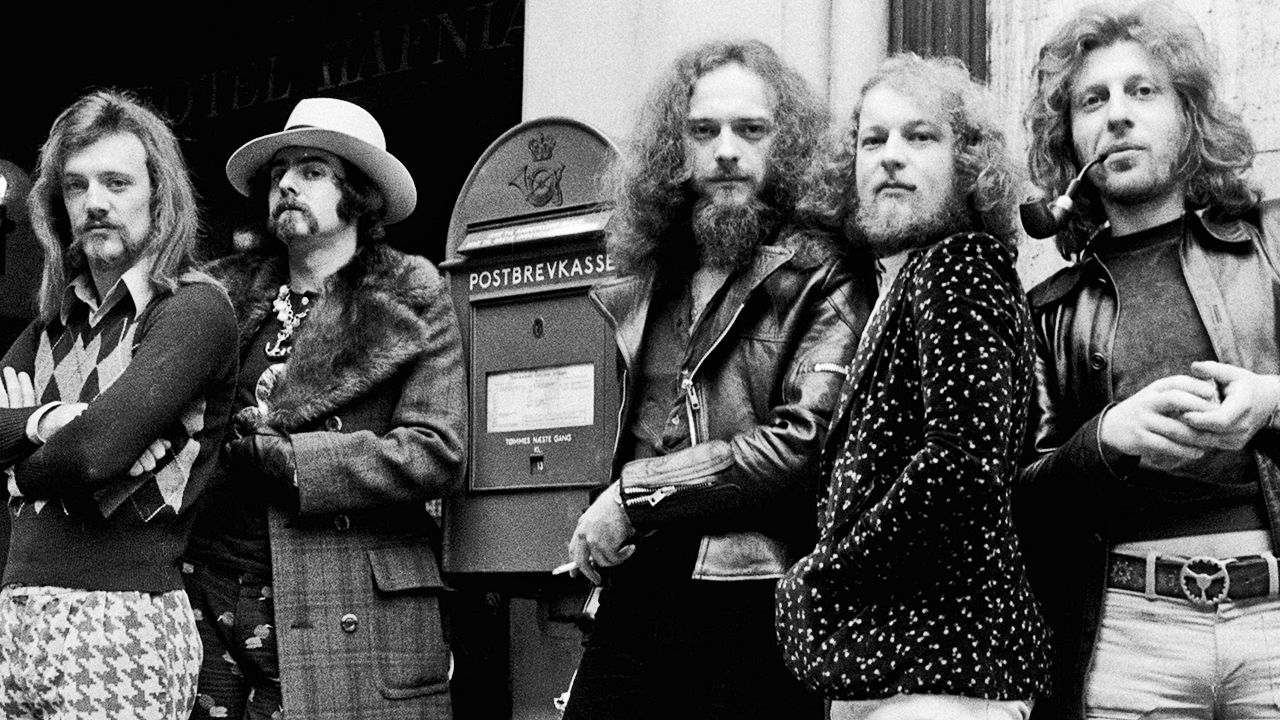
Jethro Tull faced challenges during the creation of their sixth album, "A Passion Play," in 1973. The album, intended as a follow-up to their successful "Thick As A Brick," was recorded under difficult circumstances at the Château d'Hérouville in France. The unsanitary living conditions and constant studio breakdowns led to the band falling ill and ultimately abandoning the project.
Ian Anderson made the decision to start afresh in London at Morgan Studios, discarding all the work done at the château. The new album took a darker turn, exploring themes of the afterlife and presented as a single piece of music. Despite reaching Number 1 in the US, "A Passion Play" received mixed reviews, with critics questioning its quality and direction.
The album's complex nature, with intricate time signatures and cryptic lyrics, divided fans and critics alike. Some hailed it as a work of genius, while others found it overblown and pompous. The saxophone-heavy sound and dense production were points of contention, leading to later remixes to make the album more transparent and listenable.
Over the years, the material from the château sessions resurfaced in various forms, including the "Château D'isaster Sessions" on the Nightcap album. Despite initial criticism, "A Passion Play" has gained a more sympathetic audience with time, recognized for its ambitious concept and musical complexity.
In retrospect, Ian Anderson acknowledged the album as a "step too far," expressing some regret over its direction. Despite the challenges and mixed reception, "A Passion Play" remains a significant chapter in Jethro Tull's discography, showcasing the band's willingness to push boundaries and experiment with their music.