Cracking Down on Counterfeit Football Jerseys: The City of Edinburgh Council's Seizure Operation
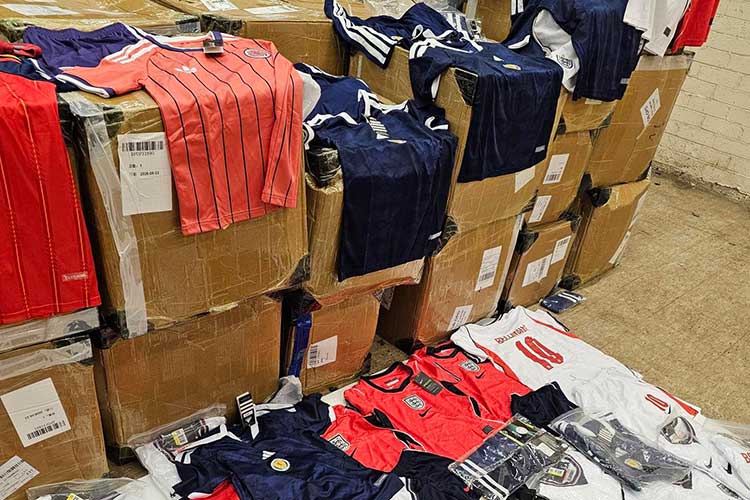
The City of Edinburgh Council’s Trading Standards Team recently seized a significant number of counterfeit football jerseys and kits intended for distribution during the FIFA World Cup 2026. The operation, conducted with assistance from Police Scotland and the National Trading Standards Intellectual Property team, resulted in the confiscation of approximately 58,000 fake shirts, weighing over nine tonnes and valued at more than £5 million. These counterfeit products pose risks to consumers as they bypass safety regulations and may contain harmful toxins in their materials.
Counterfeit goods, including fake football jerseys, are often associated with organized crime and undermine legitimate businesses. The intercepted shirts will be securely recycled after being confirmed as counterfeit by brand holders. Investigations are ongoing to identify the source and supply routes of these illicit products. The City of Edinburgh Council's Regulatory Convener emphasized the negative impact of counterfeit goods on businesses, consumers, and safety standards, urging the public to be cautious when purchasing merchandise.
The seizure of counterfeit football jerseys and kits ahead of the FIFA World Cup is a significant achievement for Trading Standards teams in Scotland. The scale of the operation highlights the challenges faced in combating the trade of illicit goods linked to organized crime. By intercepting counterfeit products, officers aim to protect consumers from unsafe and substandard items while safeguarding legitimate trade. The Chartered Trading Standards Institute emphasized the global impact of counterfeit goods, which contribute to criminal activities and pose risks to public safety.
Back Four Brand Protection acknowledged the unprecedented scale of the seizure, estimating that the confiscated counterfeit products represent a substantial loss in revenue for genuine brands. The Scottish Football Association expressed concerns about the financial impact of counterfeit merchandise on the football industry, emphasizing the importance of supporting official products to sustain funding for grassroots initiatives and national teams. The association urged supporters to choose authentic merchandise to ensure quality, safety, and the integrity of Scottish football.
In conclusion, the interception of counterfeit football jerseys and kits by the City of Edinburgh Council's Trading Standards Team underscores the ongoing battle against illicit goods and organized crime. The collaboration between enforcement agencies and brand holders is crucial in protecting consumers, businesses, and the integrity of the sports industry. By raising awareness about the risks associated with counterfeit products, authorities aim to safeguard public health and support legitimate trade practices.