Securing the Strait of Hormuz: Challenges and Strategies for U.S. Policy
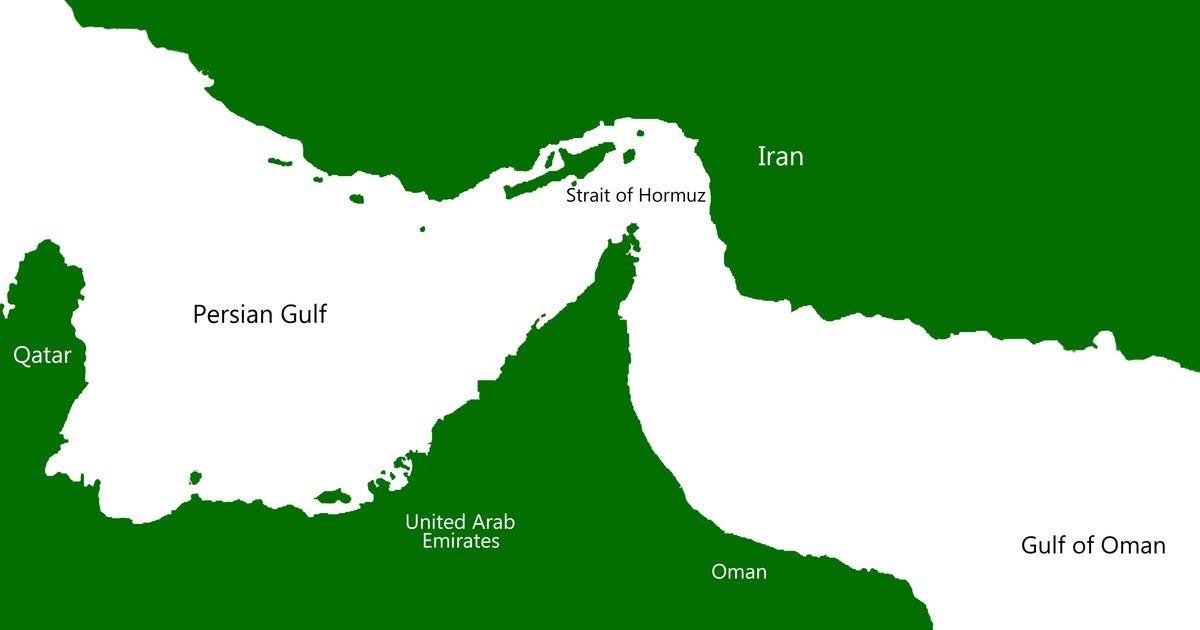
President Trump has been making efforts to pressure Iran into fully reopening the Strait of Hormuz, a crucial shipping route in the Middle East. However, experts suggest that achieving this goal may require a significant increase in the presence of U.S. warships or even the deployment of American troops on Iranian soil. Iran's ability to disrupt the strait with drones and missiles poses a challenge to restoring normal oil tanker traffic.
President Trump announced the reinstatement of a blockade on Iran's ports and the imposition of a fee on cargo shipments passing through the strait. Despite Iran's claims of controlling the waterway, tensions between the two sides have escalated, leading to skirmishes that could potentially escalate into a full-blown conflict. The situation poses economic and political challenges for both Iran and the U.S., especially with high gas prices and the upcoming midterm elections.
Experts emphasize the complexity of securing the Strait of Hormuz, highlighting the need for a substantial military presence to counter Iran's asymmetric warfare tactics. Iran's dispersed weapon production facilities and decentralized military operations make airstrikes less effective, requiring ground forces to secure the coastline and inland territories. The logistical and financial costs of deploying tens of thousands of troops would be significant.
President Trump remains optimistic about progress in degrading Iran's capabilities and ensuring the strait's openness. However, Iran has vowed to resist any U.S. interference in the region. One proposed solution to facilitate safe commercial traffic through the strait is the escorting of civilian vessels by U.S. warships, a strategy employed in the past during the Iran-Iraq war. Yet, this approach presents its own challenges and would require a substantial naval presence.
The current environment in the Strait of Hormuz is complicated by Iran's advanced military capabilities, including drone and missile technology. Commercial vessels have altered their routes to avoid potential threats, with some ships opting for a southern route along the coast of Oman under U.S. surveillance. Despite efforts to clear traditional routes of Iranian mines, the threat of Iranian attacks continues to disrupt maritime commerce in the strait. Iran's ability to disrupt shipping through threats alone underscores the ongoing challenges in the region.