Capturing the Essence: The Music of Don Henley
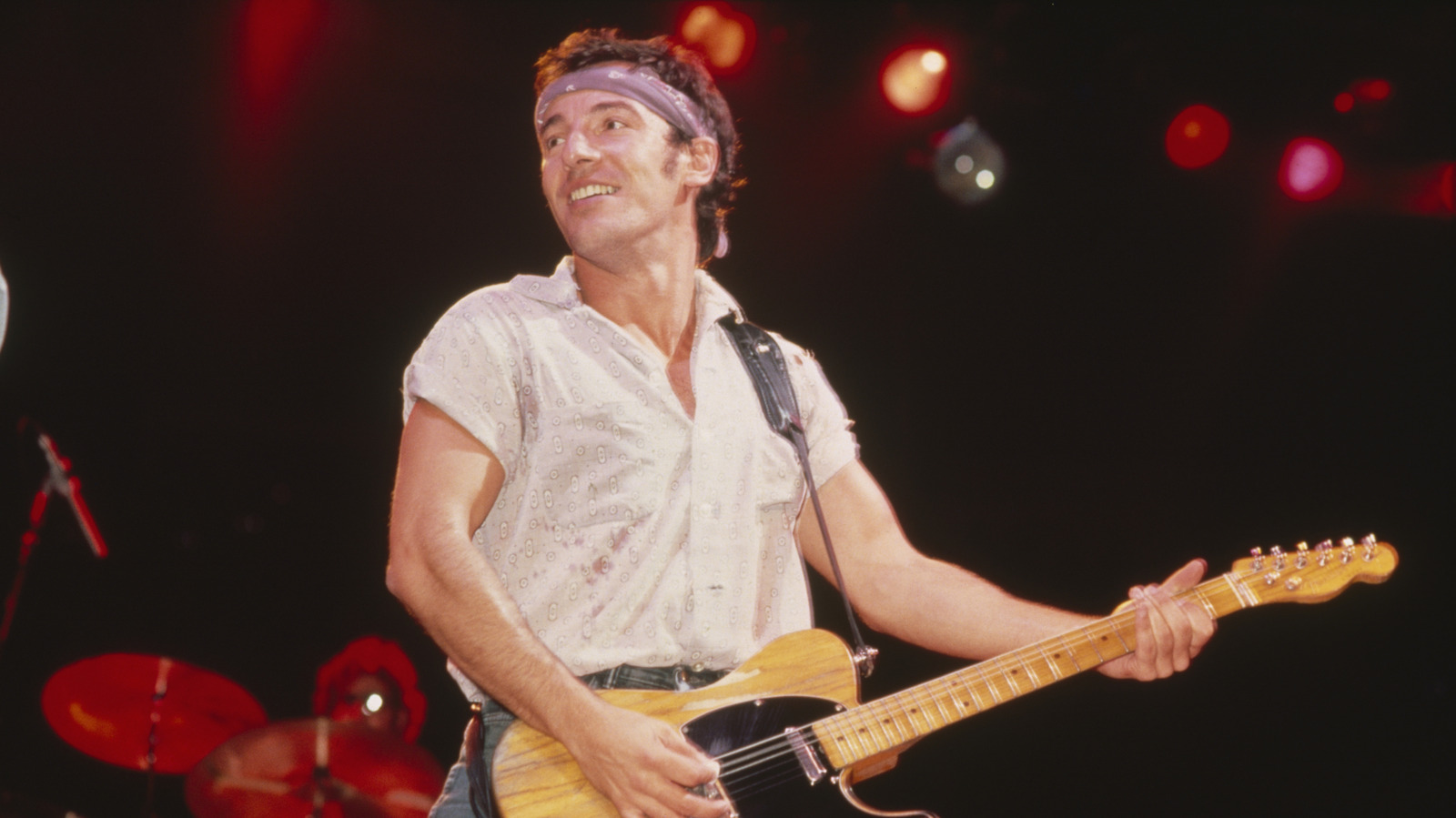
Don Henley has left an indelible mark on the music industry with his unique voice, insightful songwriting, and ability to translate personal experiences into captivating popular music. From his influential years with the Eagles to his successful solo career, Henley has delved into themes of love, regret, ambition, aging, politics, environmental concerns, and the darker aspects of modern culture. His music combines polished rock production with thoughtful lyrics, memorable melodies, and emotionally restrained performances that showcase his intelligence and distinctive character.
One of Don Henley's standout solo tracks is "The Boys of Summer," a poignant reflection on lost love, aging, memory, and the fleeting nature of youth. Released in 1984 on the album "Building the Perfect Beast," the song features atmospheric music crafted by guitarist Mike Campbell, creating a sense of driving through a deserted coastal town. Henley's lyrics convey a sense of longing and the realization that the past cannot be recaptured, symbolized by the fading memories of a summer romance.
In "Dirty Laundry," Henley delivers a scathing critique of sensational television journalism, celebrity obsession, and society's appetite for scandal. Released in 1982 on "I Can't Stand Still," the song exposes the media's exploitation of tragedy for ratings and the public's complicity in consuming sensationalized news. Henley's vocals exude disgust and cynicism, highlighting the toxic relationship between the media and its audience.
"The End of the Innocence" stands out as one of Henley's most emotionally complex songs, blending personal nostalgia with disillusionment in American politics and culture. The title track of his 1989 album, the song explores the loss of innocence as childhood ideals clash with the harsh realities of adulthood. Henley's poignant lyrics, accompanied by Bruce Hornsby's graceful piano, capture the bittersweet realization that growing older involves both clarity and grief.
"All She Wants to Do Is Dance" showcases Henley's ability to juxtapose an infectious groove with a sharply ironic commentary on privilege, distraction, and political turmoil. Released in 1984 on "Building the Perfect Beast," the song paints a vivid picture of a woman dancing obliviously amidst societal chaos. Henley's lyrics challenge listeners to consider the consequences of prioritizing entertainment over awareness in a world rife with conflict.
"The Heart of the Matter" delves into themes of betrayal, forgiveness, and emotional healing after a relationship ends. Released in 1989 on "The End of the Innocence," the song explores the complexities of letting go of resentment and embracing forgiveness. Henley's restrained vocals, accompanied by Mike Campbell's warm guitar, convey a sense of introspection and maturity in navigating the aftermath of heartbreak.
"New York Minute" offers a somber reflection on the fragility of security and the sudden upheavals that can alter one's life in an instant. Released in 1989 on "The End of the Innocence," the song paints a vivid portrait of a city in flux, where stability can vanish in the blink of an eye. Henley's calm delivery and atmospheric arrangement underscore the transient nature of life and the importance of cherishing love and kindness in the face of uncertainty.
"Sunset Grill" captures the essence of Los Angeles as a city of contrasts, blending glamour, loneliness, and everyday struggles against the backdrop of a humble restaurant on Sunset Boulevard. Released in 1984 on "Building the Perfect Beast," the song offers a nuanced portrayal of urban life, highlighting the small moments of connection and respite amidst the city's hustle and bustle. Henley's observant lyrics, set to a polished electronic arrangement, evoke a sense of nostalgia and warmth in the midst of a bustling metropolis.
"The Last Worthless Evening" is a tender plea for emotional healing and the possibility of finding love after heartbreak. Released in 1989 on "The End of the Innocence," the song delicately navigates the complexities of trust and vulnerability in forming new relationships. Henley's heartfelt vocals, accompanied by a polished arrangement, convey a sense of empathy and understanding for those who have been wounded by past experiences.
In conclusion, Don Henley's music transcends mere entertainment, offering profound insights into the human experience through his poignant lyrics, evocative melodies, and emotionally resonant performances. His songs continue to resonate with audiences, capturing the complexities of love, loss, resilience, and the enduring search for meaning in a rapidly changing world.