Challenges and Concerns: The Future of Federal Employment in the U.S.
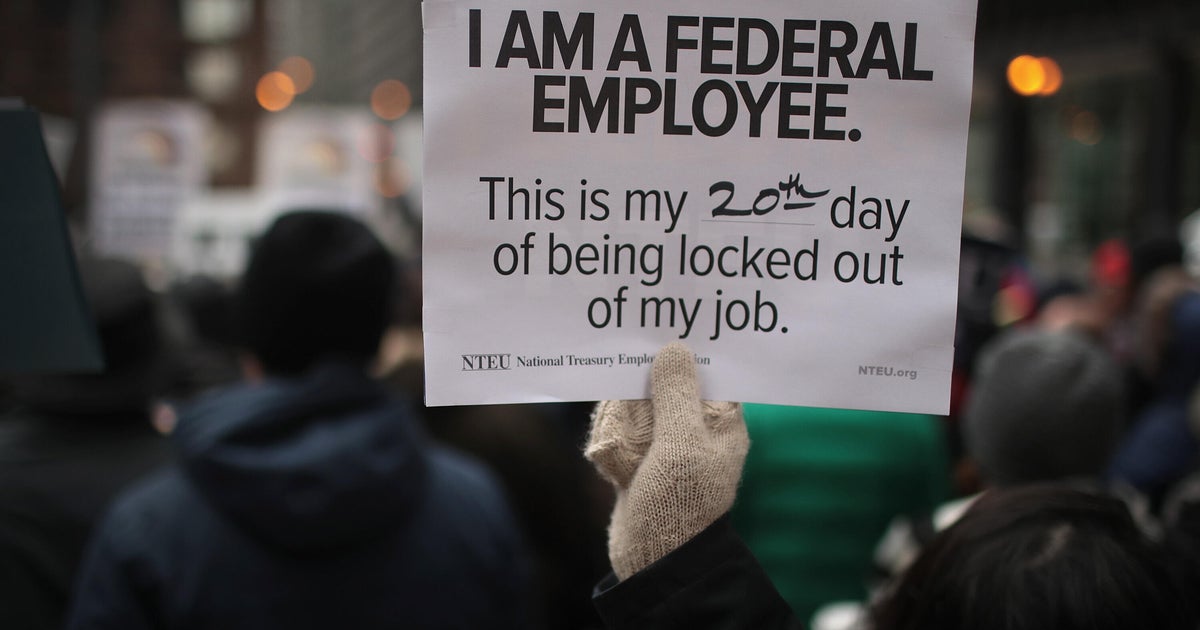
A recent survey conducted by the National Active and Retired Federal Employees Association (NARFE) revealed that nearly two-thirds of U.S. federal workers expressed reluctance to re-enter public service due to diminishing job security and benefits. The respondents' concerns were primarily centered around the current federal environment, rather than regretting their decision to pursue careers in government. The Trump administration's initiatives to reduce the federal workforce through job cuts and weakening civil service protections have significantly impacted workers' perceptions of public-sector careers.
In response to the administration's efforts to streamline government operations, including executive orders to reduce government jobs and freeze civilian worker hiring, federal employees have faced challenges and uncertainties. The longest government shutdown in modern U.S. history further exacerbated the situation, with essential workers being required to work without pay and others being furloughed. The hostile work environment, lack of resources, and poor treatment experienced by government workers during this period have contributed to their disillusionment with public service.
John Hatton, the vice president of policy and programs at NARFE, emphasized the importance of attracting skilled professionals to government roles by offering competitive incentives, such as higher pay. The erosion of nonpartisan, professional service within the federal government poses a threat to the provision of services to the American people. A 2024 Congressional Budget Office report highlighted the disparity in earnings between federal workers and their private-sector counterparts, indicating that lower-paying government jobs may no longer guarantee job security, making them less appealing to potential recruits.
As the balance between job security, mission support, and monetary rewards in government positions shifts, creating alternative incentives becomes crucial to attract qualified candidates. The evolving landscape of federal employment necessitates a reevaluation of compensation and benefits to retain and recruit skilled professionals who can effectively serve the public.