Energy Conservation Efforts in Central and Eastern Europe Amid Danube River Drought
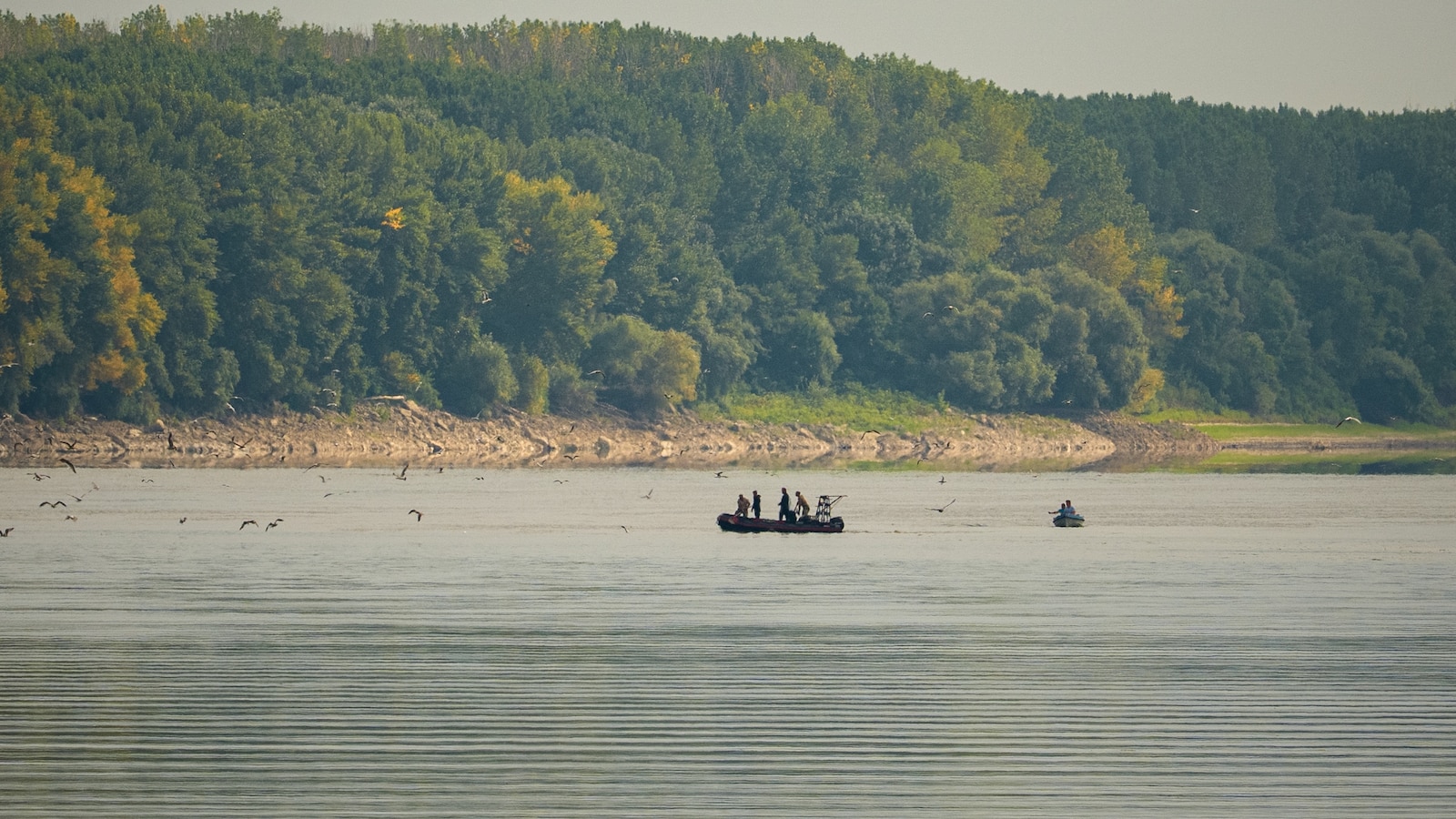
Governments in Central and Eastern Europe are implementing measures to conserve electricity due to the low water levels on the Danube River, which are threatening power plants in the region. The persistent drought and extreme heat waves have caused the Danube's water levels to drop significantly, reaching record lows in Hungary's capital, Budapest. With no significant rainfall expected and another heat wave approaching, electricity and water consumption are increasing.
The low water levels on the Danube have put Hungary's only nuclear power plant, the Paks plant, at risk of shutting down for the first time in its 44 years of operation. The plant, which relies on water from the Danube to cool its reactors, has experienced a significant decrease in power production. The Hungarian government has been urging industrial users and households to reduce electricity consumption voluntarily to conserve supply, especially during peak demand hours.
In neighboring countries like Romania, the situation is also critical, with the Cernavoda nuclear power plant operating at half its normal capacity due to the low water flow in the Danube. The Romanian military has taken measures to redirect water into the river's main channel to support the power plant. Similarly, Serbia's key hydroelectric plant is operating at only 20% of its capacity due to the record-low Danube levels, prompting the government to call for energy conservation efforts.
The governments in the region are facing a challenging situation as they work to prevent power plant shutdowns and ensure a stable electricity supply for their citizens. The conservation measures, initially voluntary, may become mandatory for large industrial or commercial consumers to address the energy crisis. The cooperation of the public in reducing electricity usage is crucial to mitigate the impact of the low water levels on the Danube and maintain a reliable power supply in the region.