Unearthing the Tragic Past: Excavating World War II-Era Massacres in Western Ukraine
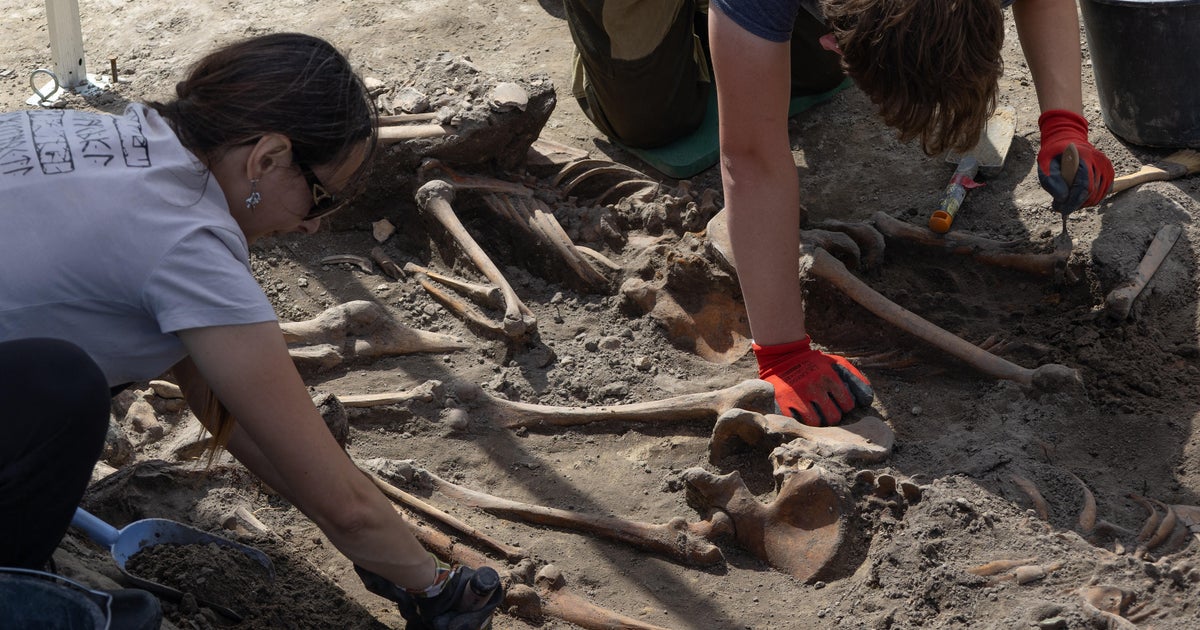
In western Ukraine, archaeologists are excavating the remains of World War II-era massacres that have strained relations between Poland and Ukraine. The Volyn massacres, carried out by the Ukrainian Insurgent Army (UPA) between 1943 and 1945, resulted in tens of thousands of civilian deaths. Poland considers it a genocide against the Polish minority, while Ukraine views the UPA as freedom fighters and sees the events as a wartime tragedy.
The Institute of National Remembrance estimates that around 100,000 people died in the anti-Polish campaign in the Volhynia, Eastern Galicia, and Lublin regions, with at least 10,000 deaths in Polish retaliatory attacks. Joint Polish-Ukrainian teams of archaeologists are working to excavate and identify the remains of victims in the area, aiming to restore their identities and honor their memory.
Over 50 sets of remains have been recovered so far, with efforts to identify them ongoing. The exhumations are seen as a potential first step in repairing strained relations between Poland and Ukraine. The recovered skeletons are carefully examined by experts to determine age, sex, and cause of death, with genetic material collected to aid in identification.
The UPA's collaboration with the Nazis and its actions against Poles, Jews, and other civilians have been a point of contention between the two countries. The naming of a military unit after the UPA by Ukrainian President Volodymyr Zelenskyy further strained relations, leading to diplomatic tensions and symbolic gestures from both sides. Efforts to address the historical wounds and honor the victims are seen as crucial for reconciliation.
As the excavations continue and plans for a national memorial to the victims are underway, there is hope for a proper farewell to those who lost their lives in the tragic events of the past. The goal is to bury the victims in the soil where they lived, dreamed, and hoped for their lives to unfold, allowing them to rest in peace in the land that holds their memories.