Backpack Safety: Tips for Preventing Strain and Injury in Students
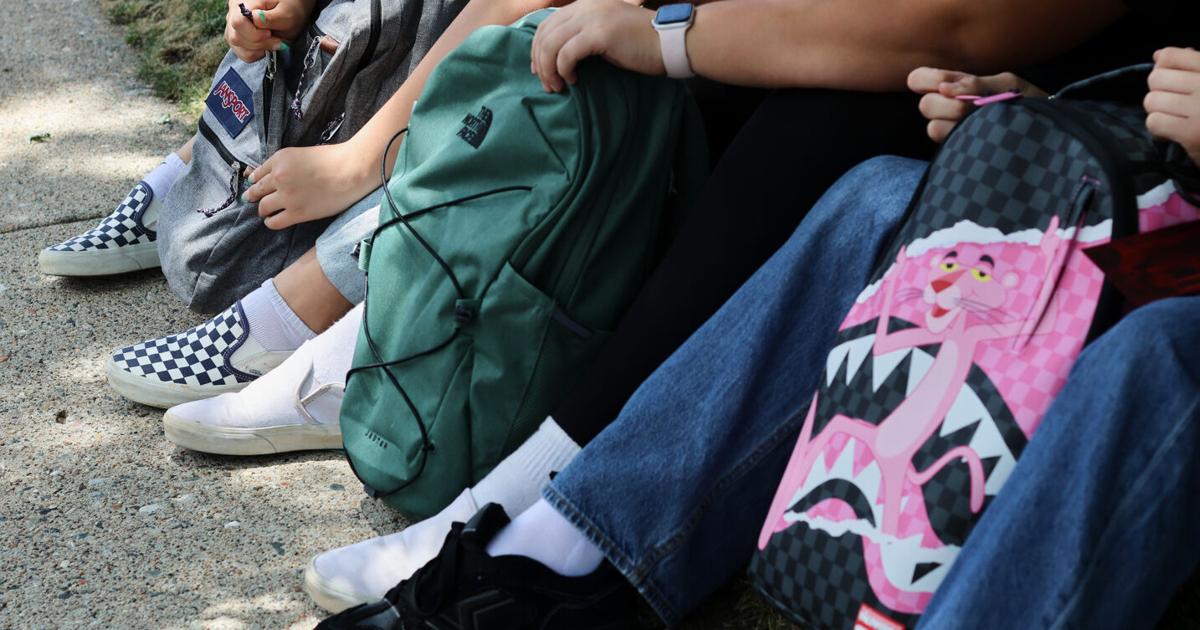
Backpacks are essential for students to carry their school supplies, but they can easily become too heavy with the addition of digital devices, textbooks, sports equipment, and more. Carrying a heavy backpack can strain a child's body, especially if they walk to school or participate in extracurricular activities without access to lockers or storage. As families gear up for back-to-school shopping, it's crucial to ensure that your child's backpack is not overloaded and causing unnecessary strain.
The modern school backpack has evolved to accommodate textbooks, digital devices, notebooks, water bottles, lunch containers, and more. While each item may not seem heavy individually, collectively, they can put a significant burden on a child's body. Signs that a backpack may be too heavy include a child leaning forward to support its weight or having difficulty walking. Straps should not dig into the shoulders, indicating that the load is too heavy for the child to carry comfortably.
Back injuries from carrying heavy backpacks are uncommon but possible, especially if a child falls while wearing a heavy load. It is essential to lighten the load before a child expresses discomfort or pain. While the recommended guideline of 10% to 15% of a child's body weight for a backpack may vary, caregivers should prioritize keeping backpacks as light as possible based on the child's individual needs, size, strength, and daily routines.
When preparing for the school year, families should assess the essential items that a child needs to carry daily and avoid unnecessary weight in the backpack. Teachers emphasize the importance of focusing on basic supplies rather than trendy or expensive items. As technology becomes more integrated into schoolwork, some students rely solely on laptops for their assignments, while others still carry textbooks and digital devices. It is crucial to consider how the items in the backpack contribute to a child's success in the classroom.
Choosing a backpack that fits the child properly with padded shoulder straps, a padded back, compartments to distribute weight, and additional waist or chest straps for support is recommended. Teaching children how to lift and carry backpacks safely, including bending at the knees, can help prevent strain. While backpacks with wheels can be beneficial, they may pose tripping hazards in schools with stairs or crowded walkways. It is also important to remove backpacks before riding in a moving vehicle to avoid interference with seat belts during a crash or sudden stop.
Regularly cleaning out backpacks can help reduce unnecessary weight and maintain organization. Some teachers suggest cleaning out backpacks weekly to prevent missing work, spills, and accumulating crumbs. By following these guidelines, parents can ensure that their children's backpacks are not overloaded and causing unnecessary strain on their bodies.