Ceuta Migration Crisis: EU Leaders Divided Over Spanish Prime Minister's Handling
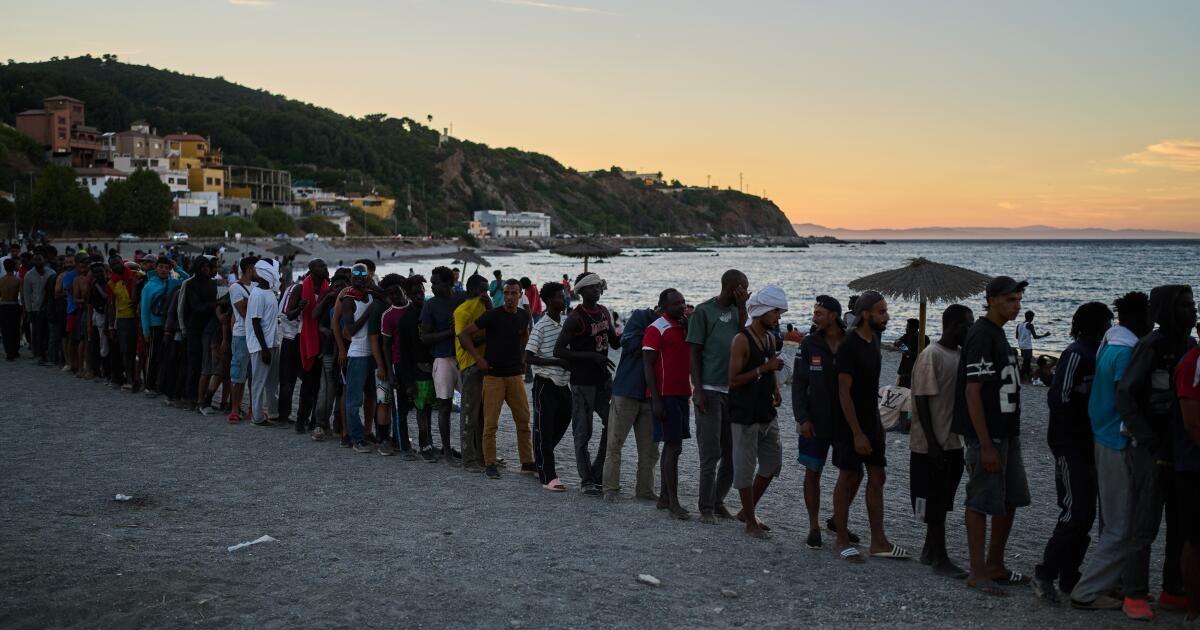
The recent surge of migrants to the Spanish territory of Ceuta in North Africa has sparked a heated debate among European Union leaders. Spanish Prime Minister Pedro Sánchez's handling of the situation has faced criticism, with some EU leaders questioning his progressive migration policies. The arrival of 72,000 migrants led to a humanitarian crisis in Ceuta, resulting in over 80 deaths. Sánchez's government defended its actions, stating that most migrants were quickly pushed back in coordination with Moroccan authorities.
Despite the backlash, Sánchez received support from some ministers during a meeting on Tuesday. However, the incident in Ceuta highlighted the EU's disunity on migration issues, especially as the bloc faces security threats and economic tensions. EU leaders, including Italian Premier Giorgia Meloni, criticized Sánchez's approach and called for stricter border controls. Sánchez, in turn, accused Meloni of violating European and humanitarian laws.
The criticism extended beyond Italy, with 21 other EU leaders signing a joint letter pointing to a Spanish court ruling as the trigger for the migration influx. Sánchez defended Spain's actions, highlighting the country's reception of migrants from other regions. The situation in Ceuta also raised questions about Morocco's role, with some suggesting the country may have been complicit in the crisis.
The EU has made efforts to address migration challenges, with data showing a decline in arrivals since 2015. However, the events in Ceuta underscore the ongoing migration issue that the EU must confront. The crisis has prompted calls for a more coordinated and effective response to prevent the weaponization of migration and protect Europe's borders. The EU leaders must work together to address the root causes of migration and ensure a humane and lawful approach to the issue.