Debate Over Hate Speech Laws: Minns Government's Decision Sparks Controversy
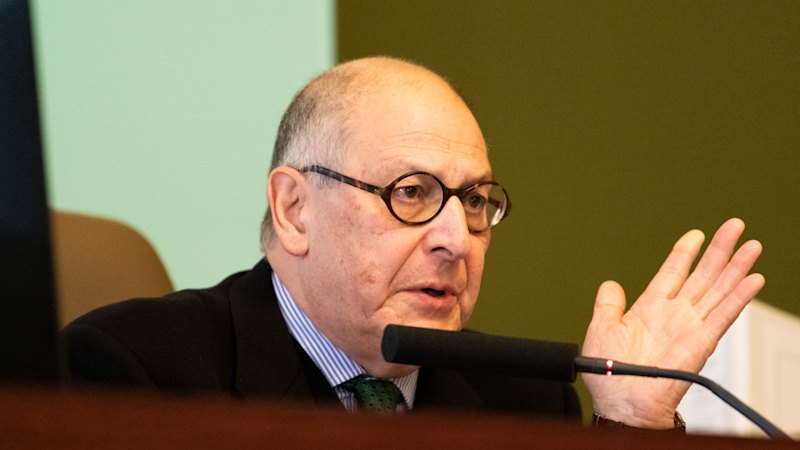
The Minns government has decided to disregard a key recommendation from its own inquiry into hate speech laws, which suggested that protections for a person's sexuality, religion, or gender identity should be on par with those for race. Attorney-General Michael Daley released the findings of the review conducted by Justice John Sackar, KC, which highlighted the need for equal legal protection for all vulnerable groups. The report criticized the existing laws for creating a perception of a hierarchical model of protection that could harm social cohesion.
The government introduced changes to hate speech laws last year to address anti-semitic incidents, making racial vilification an offense. However, legal bodies and advocacy groups raised concerns about the vague and complex nature of the laws, advocating for equal protection for all marginalized communities based on attributes like religion, sexuality, and disability. Sackar's review supported this stance, emphasizing the importance of uniformity in protecting vulnerable groups under criminal law.
Despite the recommendations put forth by the inquiry, the government has chosen not to expand the criminal offense of inciting racial hatred to cover additional protected attributes. Daley emphasized the government's commitment to ensuring safety, respect, and freedom from intimidation for all individuals, regardless of their background. The decision not to broaden the scope of the offense was based on concerns about the complexities surrounding freedom of expression, religion, and the consistent application of criminal law.
Sackar's review, commissioned in May last year, was submitted to Daley in November. The report was withheld from the public for several months, leading to criticism and calls for its release. The government finally made the report public on Tuesday, coinciding with the attention on the Independent Commission Against Corruption's Operation Rosny inquiry. Despite the findings of the inquiry, the government has chosen to maintain the existing framework for hate speech laws, citing the need for clarity, workability, and consistency in their application.
In conclusion, the Minns government's decision to disregard the recommendation to extend hate speech protections to include attributes beyond race has sparked debate about the balance between freedom of expression and the need to protect vulnerable communities. The government's stance reflects its commitment to addressing hate speech while navigating the complexities of legal frameworks and societal expectations.