Michigan Gubernatorial Race 2026: Meet the Candidates and Their Platforms
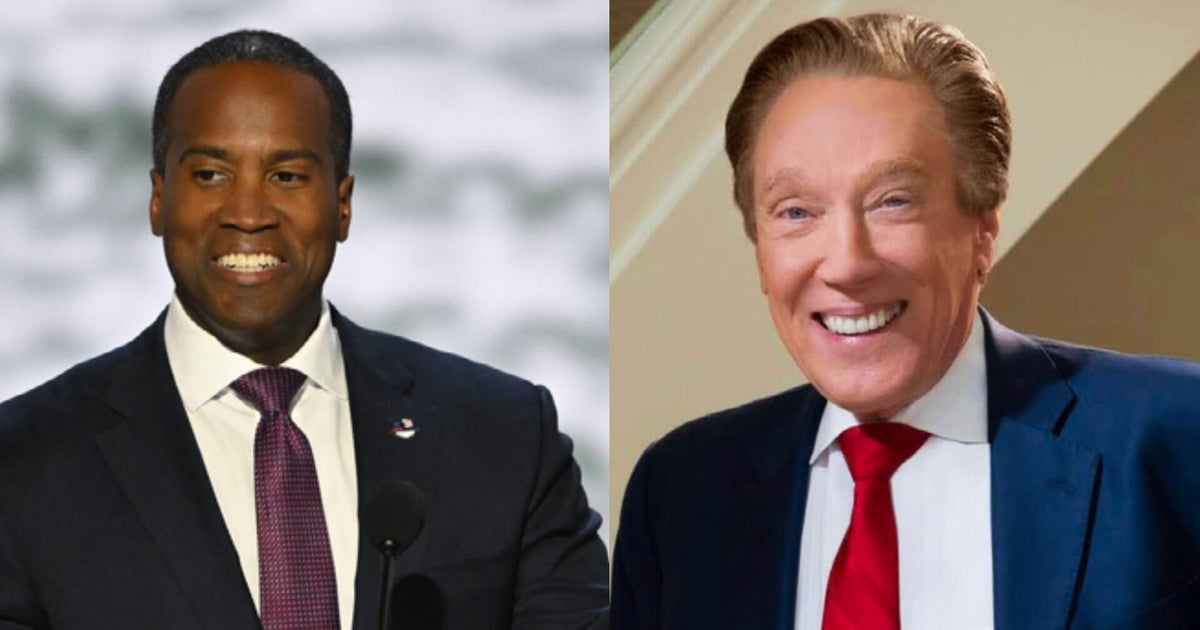
Michigan is gearing up for a new gubernatorial race as Gov. Gretchen Whitmer reaches her term limit this year. The upcoming August primary will determine the candidates who will compete in the November election. On the Republican side, U.S. Congressman John James and businessman Perry Johnson are vying for the nomination. Both candidates have prior experience in Michigan politics. The winner of the Republican primary will face the winner of the Democratic primary between Michigan Secretary of State Jocelyn Benson and Genesee County Sheriff Chris Swanson.
John James, a former U.S. Army aviation officer and business executive, announced his candidacy for governor in April 2025. He previously ran for the U.S. Senate in 2018 and 2020, as well as contested against Democrat Carl Marlinga in the 2022 and 2024 elections. James has received endorsements from President Trump and Rep. Aric Nesbitt. His focus areas include national security, energy independence, and environmental protection, particularly addressing the impact of Canadian wildfires on Michigan's air quality.
Perry Johnson, an auto industry businessman, declared his candidacy for governor in January 2026. He previously ran for governor in 2022 but was disqualified due to invalid petition signatures. Johnson's platform emphasizes eliminating Michigan's state income tax to provide financial relief to families. He plans to conduct audits of state government spending to ensure efficiency and prioritize property tax reform. Johnson is self-funding his campaign and emphasizes his understanding of financial struggles from his own past experiences.
The Michigan gubernatorial race is heating up with candidates from both parties presenting their visions for the state's future. Voters will play a crucial role in determining the next leader who will guide Michigan through various challenges and opportunities. The primary elections in August will set the stage for a competitive race in November, ultimately shaping the direction of the state's governance.