Mississippi Redistricting: Ensuring Transparency and Public Engagement
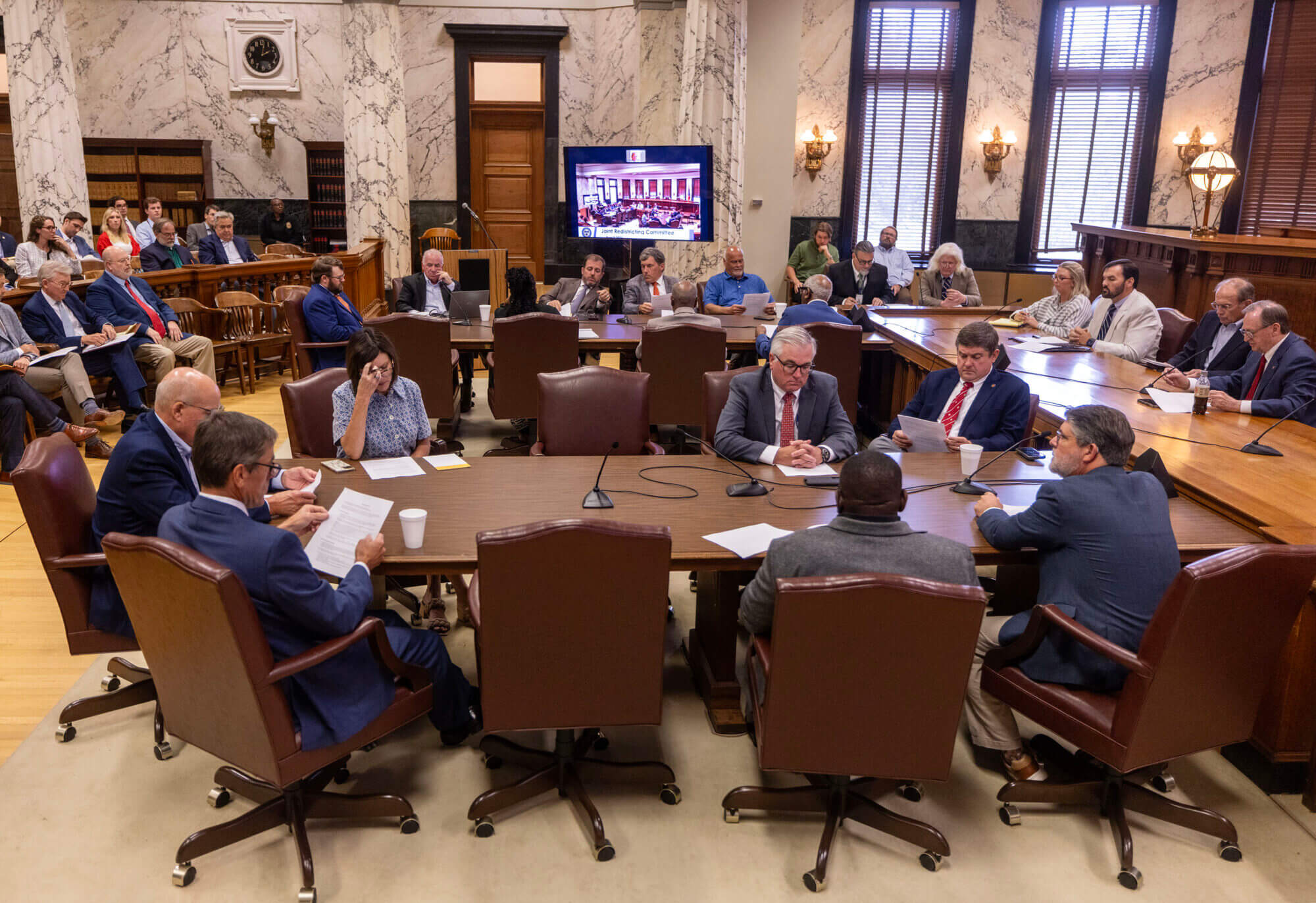
Mississippi lawmakers have initiated the process of redrawing legislative, congressional, and judicial districts in response to a U.S. Supreme Court ruling that impacted minority voting protections. The Joint Redistricting and Reapportionment Committee, comprising House members and senators, convened at the state Capitol following the decision in Louisiana v. Callais. The committee is set to conduct eight public hearings statewide over the next two months to gather feedback from residents on necessary district adjustments. Additionally, the committee has appointed attorneys from Butler Snow as general counsel.
Republican Sen. Dean Kirby of Pearl was chosen as chairman, with Republican Rep. Noah Sanford of Collins serving as vice chair. Lieutenant Governor Delbert Hosemann refrained from specifying the priority districts or the possibility of redrawing districts, emphasizing the importance of the committee's work and public engagement. Despite some criticism from voting rights advocates, including Fair Fight Action's Amir Badat, who labeled the hearings as a "sham" aimed at diminishing Black political influence, the committee remains committed to the redistricting process.
A voting rights town hall organized by Mississippi's Democratic U.S. Senate nominee, Scott Colom, attracted around 100 participants at Farish Street Baptist Church in Jackson. The event, featuring Democratic U.S. Sen. Angela Alsobrooks of Maryland, highlighted the significance of safeguarding voting rights and honoring civil rights leaders like John Lewis. As the committee contemplates potential redistricting for Congress, Rep. Bennie Thompson, the state's sole Black representative in Washington, may face scrutiny from the predominantly Republican Legislature. State Auditor Shad White and other Republicans have suggested reconfiguring Thompson's district, covering parts of Jackson and the Delta.
Thompson expressed his team's commitment to monitoring the hearings and urged lawmakers to be transparent and open to public feedback. The scheduled hearings will be held in various locations, including Tupelo, Senatobia, Cleveland, Natchez, Meridian, Hattiesburg, Gulfport, and Jackson, with the first session scheduled for August 18 at Itawamba Community College in Tupelo.
In conclusion, Mississippi lawmakers are embarking on the redistricting process in response to the Supreme Court ruling, with the Joint Redistricting and Reapportionment Committee conducting public hearings to gather input on necessary adjustments. Despite criticism from some voting rights advocates, the committee remains focused on the task at hand and aims to ensure transparency and public engagement throughout the redistricting process.