Social Media's Role in Fueling Migration Attempts from Morocco to Spain
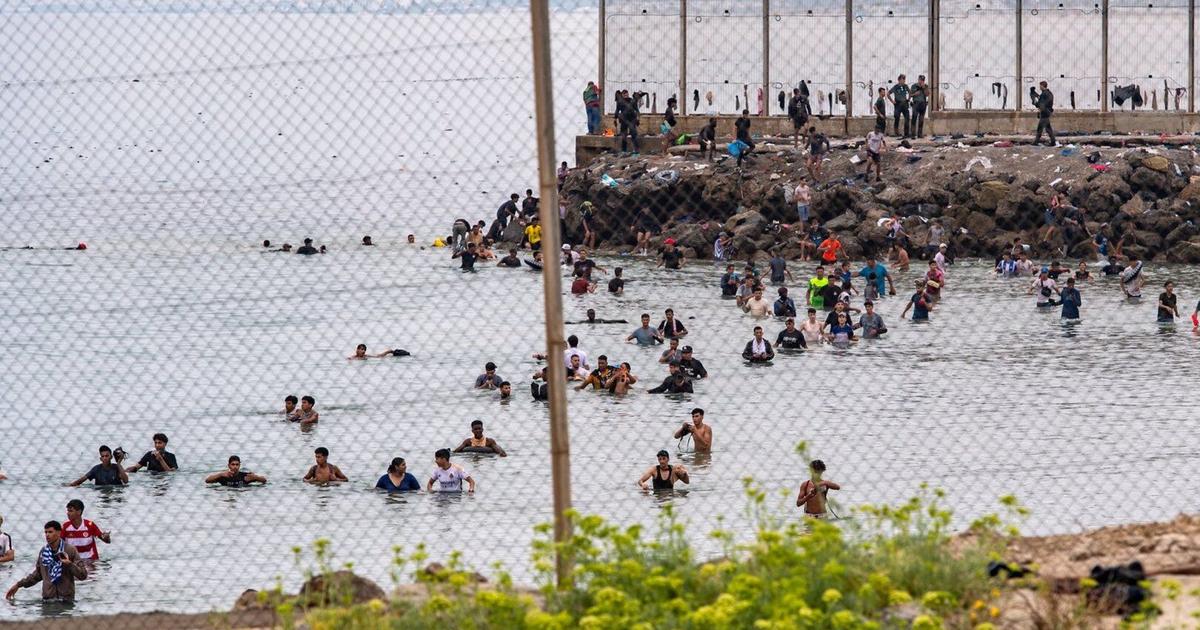
In Fnideq, Morocco, social media posts sparked rumors that the border with Spain was reopening. People on Instagram, Facebook, and TikTok shared information about coast guard patrols and swimming routes, leading many Moroccans to believe that Europe was accessible. The Associated Press reported on the situation, highlighting the impact of social media on migration patterns. The influx of migrants attempting to cross into the Spanish enclave of Ceuta raised concerns about border security and international relations. The Moroccan government responded by increasing security measures and cracking down on illegal border crossings.
The use of social media platforms like Instagram, Facebook, and TikTok played a significant role in spreading misinformation and fueling migration attempts. The ease of sharing information online led to a surge in interest among Moroccans seeking to reach Europe. The viral nature of these posts created a sense of urgency and excitement, driving many to take risks in pursuit of a better life across the border. The power of social media in shaping public perception and influencing behavior was evident in this situation, highlighting the need for responsible online communication.
As the situation escalated, authorities in Morocco and Spain worked to address the influx of migrants and secure their respective borders. The Moroccan government implemented stricter border controls and surveillance measures to prevent unauthorized crossings. Meanwhile, Spanish officials reinforced security in Ceuta and coordinated with Moroccan counterparts to manage the situation. The collaboration between the two countries underscored the importance of international cooperation in addressing migration challenges and maintaining border security.
In conclusion, the impact of social media on migration dynamics was evident in the events that unfolded in Fnideq, Morocco. The rapid spread of information online fueled aspirations of reaching Europe among Moroccans, leading to a surge in migration attempts. The response from authorities in Morocco and Spain highlighted the need for coordinated efforts to address border security issues and manage migration flows effectively. The role of social media in shaping public perception and influencing behavior underscores the importance of responsible online communication in addressing complex societal challenges.