Building Bridges Through Gaming: How Esports Connects Generations in Hangzhou and Beyond
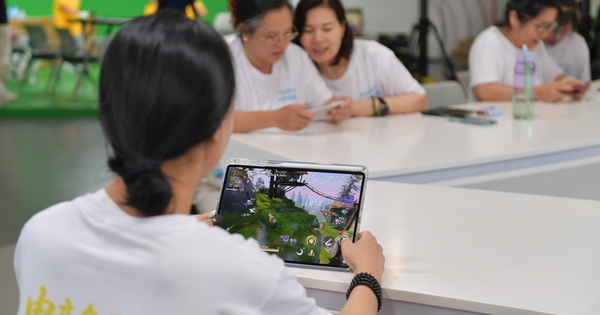
In Hangzhou, a 67-year-old grandmother, Zhou Zhihong, has found a new way to bond with her 14-year-old granddaughter through the multiplayer combat video game Naraka: Bladepoint. This unconventional activity has led Zhou to captain a senior team to victory, showcasing the potential of esports to bridge generational gaps and foster social connections among older and younger individuals.
As China's aging population continues to grow, with over 323 million people aged 60 or above by the end of 2025, there is a rising interest in exploring the benefits of gaming for older adults. The increasing internet usage rate among seniors, reaching 53.7 percent, has prompted initiatives to introduce esports into community classrooms and senior-care institutions to enhance digital literacy and social engagement.
In Hangzhou, the Binjiang community college launched the city's first esports class for individuals aged 55 and above, attracting nearly 150 older residents within three days of its announcement. The course aimed to introduce older adults to the world of gaming, offering them a new avenue for connecting with younger family members and understanding the appeal of video games.
Participants like Li Aixia and her husband, Li Zhongli, embraced the opportunity to learn esports, adopting gaming aliases and training with teammates to improve their skills. The couple's newfound interest in gaming has not only provided them with a shared hobby but also sparked conversations with their son about tactics and gameplay, creating a unique bonding experience within the family.
The esports class in Hangzhou catered to beginners, guiding older learners through the basics of gaming and providing a supportive environment for them to practice and improve. Despite the initial challenges, some participants, like Gao Liying and Pan Lianggan, went on to become instructors, sharing their knowledge and experience with others in the community.
In Chengdu, a different approach was taken, with a senior-care service provider forming an esports team of older players coached by students from a local university. This innovative model combines gaming with senior-care services, highlighting the diverse ways in which esports can benefit older adults and promote social interaction among seniors.
While the esports programs aim to enhance digital literacy and social engagement among older adults, organizers emphasize the importance of responsible gaming practices. Participants are encouraged to take breaks, limit their gaming time, and be cautious of in-game purchases and potential risks associated with online gaming, ensuring a safe and balanced gaming experience for seniors.
Overall, the integration of esports into community classrooms and senior-care institutions in China demonstrates the potential of gaming to foster intergenerational connections, promote digital literacy, and provide older adults with a new form of entertainment. By embracing esports, older individuals like Zhou Zhihong can not only bond with their younger family members but also enjoy the benefits of engaging in a shared activity that transcends age barriers.