Preparing for the Impacts of the Strongest El Niño in 70 Years: WFP's Warning on Acute Hunger and Global Food Insecurity
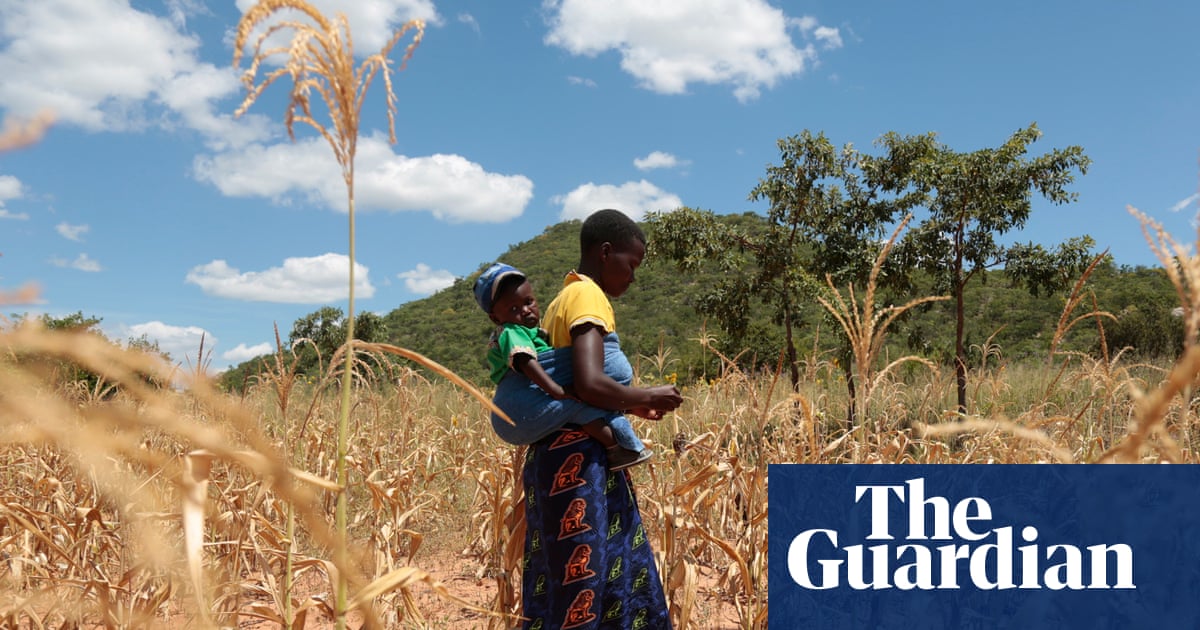
The upcoming El Niño weather system is expected to push around 50 million people into acute hunger by the end of next year, exacerbating the existing food insecurity crisis. The UN's World Food Programme (WFP) warns that even a less severe El Niño could have devastating effects, adding to the 225 million people already facing food insecurity in 45 countries. Central and South America, the Caribbean, and southern Africa are projected to be the most affected regions, with reduced rainfall posing challenges for agriculture in south and south-east Asia.
This year's El Niño is anticipated to be the strongest in 70 years, with potential impacts exacerbated by the climate crisis. The WFP is allocating at least $80 million for early warning systems and relief efforts to mitigate the effects of the extreme weather. Farmers may face food shortages during the lean season following the harvest, particularly in southern Africa, where the main growing season has been delayed.
The consequences of the El Niño weather system could lead to global food price increases, affecting not only the 45 countries analyzed by the WFP but also other regions. Efforts to address the impacts of the extreme weather have been hindered by data limitations due to funding cuts. The WFP is working to minimize the impact of the upcoming El Niño through anticipatory actions, aiming to prevent a repeat of the severe food insecurity experienced during the 2015-16 El Niño.
As the world braces for the effects of the El Niño weather system, farmers in the UK and Europe are already feeling the impact of extreme weather conditions on their harvests, with retailers preparing for potential price hikes. The global food supply chain could face disruptions, and food access may become a challenge in regions affected by the El Niño. It is crucial for countries to coordinate food exports to prevent shortages and ensure food security for vulnerable populations.