Revolver: The Beatles' Groundbreaking Studio Album and Musical Evolution
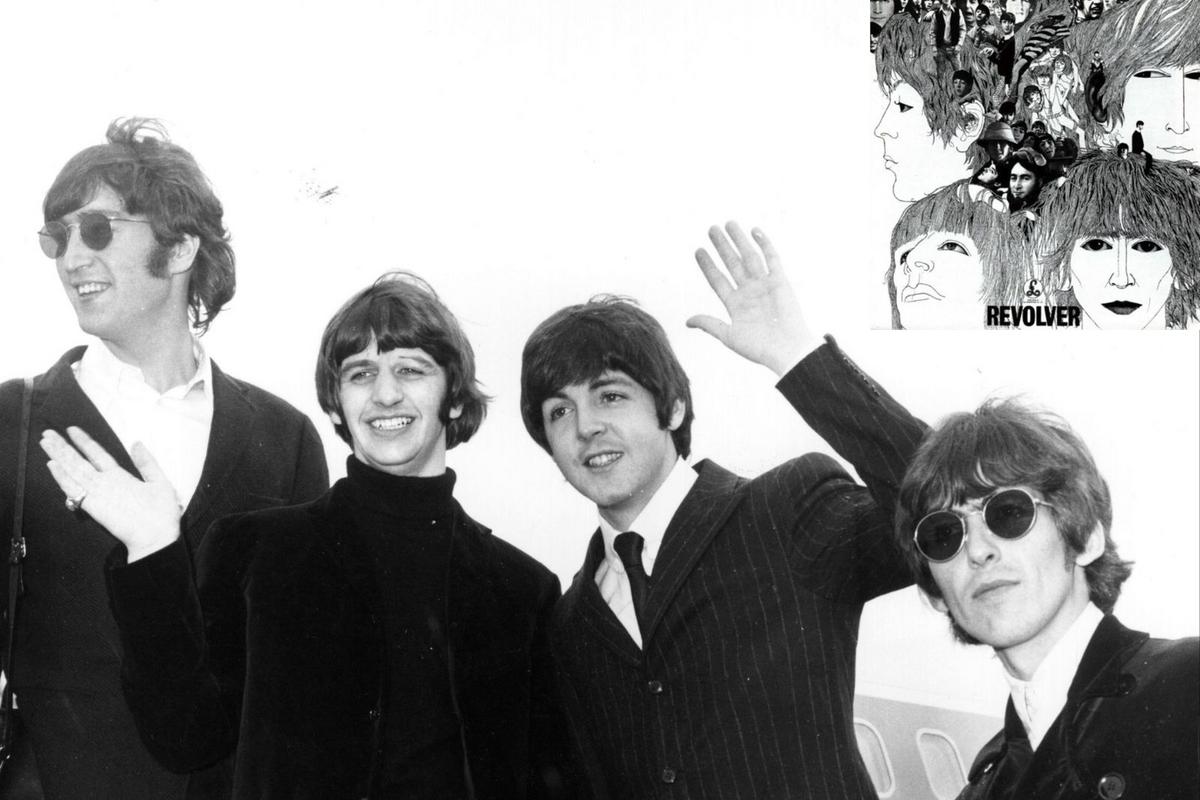
The Beatles' seventh studio album, Revolver, showcased groundbreaking recording techniques like reversed tapes, artificial double tracking, varispeed, and unique microphone placement. John Lennon hinted at the album's innovative nature in a 1966 interview, setting high expectations for the band's new sound. Despite initial plans to record at Stax Studio in Memphis, the Beatles ultimately chose EMI Studios in London, now known as Abbey Road Studios, for the Revolver sessions.
The album cover of Revolver, designed by Klaus Voormann, is iconic, but the back cover features a black-and-white photo of the Beatles wearing various eyeglasses, captured by Robert Whitaker. The band's versatility is evident in the song "Taxman," where Paul McCartney played the lead guitar solo instead of George Harrison, infusing an Indian-inspired touch. The Beatles' musical exchange with the Beach Boys influenced songs like "Here, There and Everywhere," inspired by Brian Wilson's "God Only Knows."
Lyrically, "She Said She Said" drew inspiration from a conversation John Lennon had with actor Peter Fonda during an acid trip in California. Ringo Starr's cheerful tune "Yellow Submarine" received lyrical input from Donovan, showcasing the collaborative spirit of the '60s music scene. Session musician Alan Civil's French horn solo in "For No One" earned him a named credit on a Beatles recording, a rare honor for a session musician.
Several potential titles were considered for Revolver before settling on the final name, reflecting the band's creative process. The Beatles' controversial remarks in 1966 led to promotional adjustments in the U.S., with "Yellow Submarine" chosen over "Eleanor Rigby" as the single. Despite not winning Album of the Year at the 1967 Grammy Awards, Revolver's impact on music history remains undeniable, solidifying the Beatles' legacy as one of the greatest bands of all time.