Revolver: The Beatles' Musical Evolution and Legacy
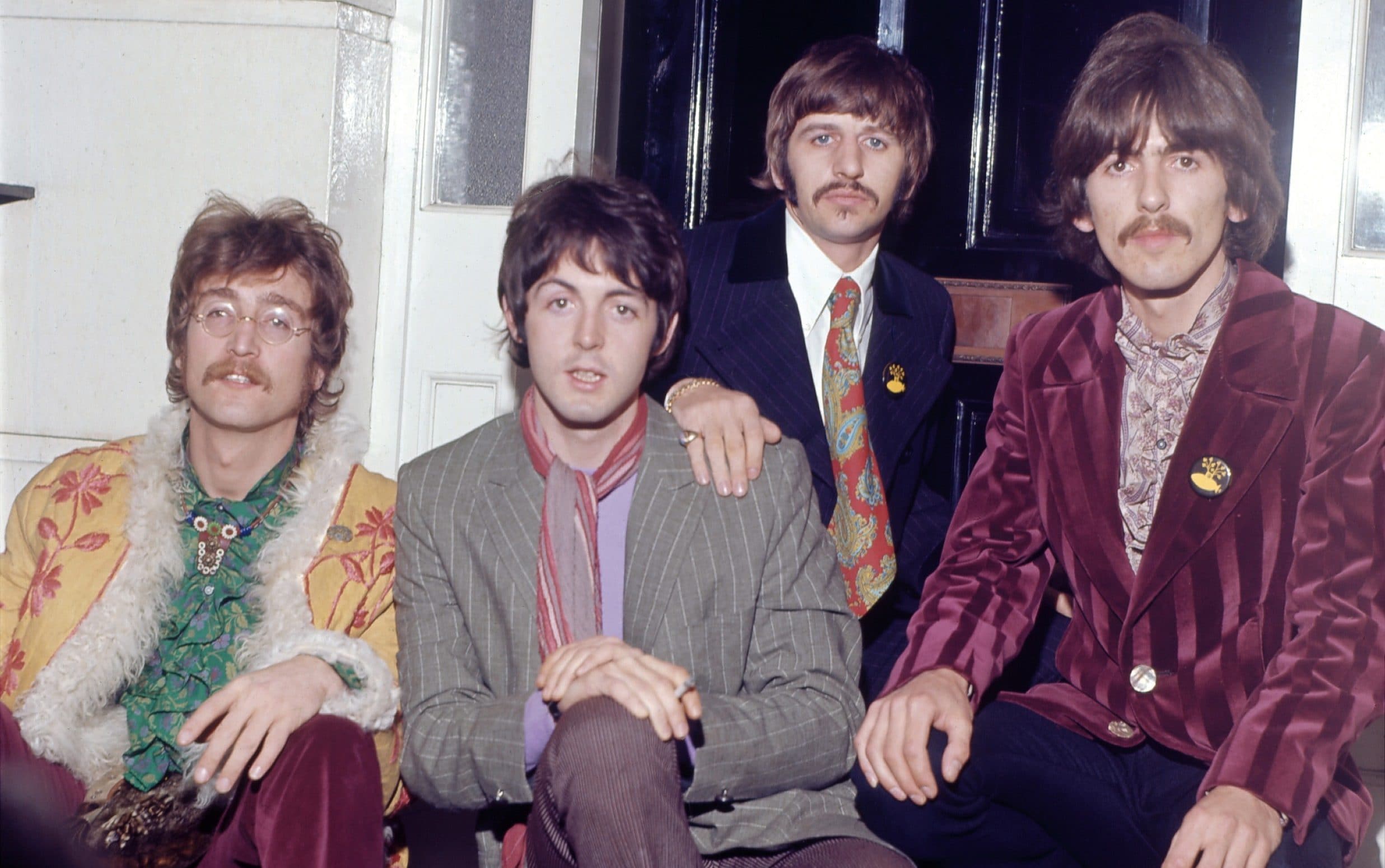
In 1966, Bob Dylan's review of the Beatles' track Tomorrow Never Knows hinted at a new direction for the band. The release of Revolver marked the Beatles' 60th anniversary on August 5, 2026. Despite some initial confusion among listeners due to the rapid succession of Beatles albums, Revolver is now considered a masterpiece by many fans. The LP's release was overshadowed by a scandal involving John Lennon's controversial remarks about Christianity, which caused a stir in America.
The decision to record Revolver at EMI Studios instead of Stax Studio in Memphis was influenced by various factors, including costs and the band's safety. The Beatles' immersion in London's vibrant music scene in 1966 fueled their creativity and inspired them to experiment with new sounds. The group had more time to refine their songs for Revolver, resulting in a meticulously crafted album that showcased their musical evolution.
The Super Deluxe edition of Revolver features out-take versions of iconic tracks, highlighting the Beatles' innovative approach to recording. The band's willingness to push boundaries in the studio led to groundbreaking experimentation with sound and production techniques. Despite rumors of drug use during the recording process, the Beatles maintained a clear-headed approach to their music, recognizing the importance of balance in their creative process.
Revolver's eclectic mix of songs, from the political commentary of Taxman to the introspective Eleanor Rigby, showcases the band's versatility and musical prowess. The album's diverse range of styles and influences set the stage for the Beatles' later experimentation with genres and production techniques. Revolver's legacy as a pivotal moment in the band's career is evident in its lasting impact on the music industry and cultural landscape.
As the Beatles transitioned from touring to focusing on studio work, Revolver marked a turning point in their career. The album's release was followed by a series of concerts in the US and Canada, during which the band addressed the controversy surrounding John Lennon's remarks about Christianity. The Beatles' decision to retire from touring after their final concert at Candlestick Park in San Francisco signaled a new chapter in their musical journey.
Revolver's enduring influence on the music industry is evident in its role as a precursor to the groundbreaking Sgt Pepper's Lonely Hearts Club Band. The album's innovative approach to songwriting and production set a new standard for rock music and paved the way for the album-oriented era of the late 1960s. Revolver remains a testament to the Beatles' creative vision and enduring legacy as one of the greatest bands in music history.