Uncovering the Complexities of Related-Party Transactions: The Investigation into Mark Walter's Financial Dealings
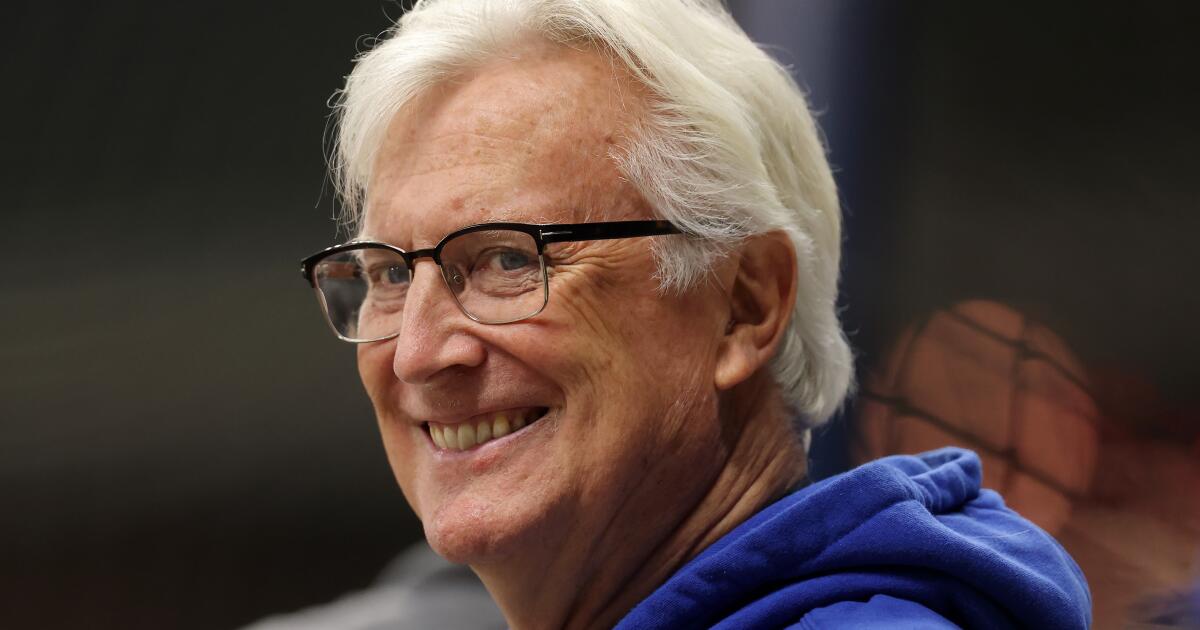
The investigation into the financial dealings of Mark Walter, the Dodgers' owner, is centered on related-party transactions, which involve deals between entities with personal or business ties. These transactions can raise conflicts of interest and require extra scrutiny. Walter used insurers he controlled to finance the Dodgers' acquisition, and regulators are now looking into whether billions of dollars in loans made by Walter's companies were properly disclosed.
Related-party transactions have led to financial troubles in the past, such as Enron's bankruptcy in 2001 and Bernie Madoff's Ponzi scheme. Walter is under scrutiny for $21 billion in undisclosed loans made by his Delaware insurers to companies connected to him or his holdings company. The seriousness of the investigation is evident from federal authorities seizing Walter's cellphone and laptop.
The investigation could have implications for Walter's ownership of sports teams like the Los Angeles Lakers and Chelsea soccer team. Related-party transactions can be problematic as they can be used to manipulate financial dealings, leading to potential fraud. In the insurance industry, such transactions can threaten policyholders' interests and the company's solvency.
Enron's downfall and the Madoff scandal serve as cautionary tales of how related-party transactions can lead to financial disasters. The Sarbanes-Oxley Act of 2002 was enacted to tighten regulations on governance and accounting practices, including related-party transactions. The Madoff fraud involved sham transactions with family members and related parties, highlighting the risks associated with such dealings.
The investigation into Walter's related-party loans involves significant sums of money, with $21 billion in loans reclassified as related-party transactions. The implications for the insurers owned by Walter include increased exposure to related-party loans and downgraded outlooks from rating agencies. Despite this, the insurers maintain a high level of financial strength.
Walter has not publicly commented on the investigation, but a spokesperson for TWG stated that Walter and the company have always acted in good faith. The ongoing investigations will shed more light on the nature of the related-party transactions and their implications for Walter's financial dealings.